Tired of Your Weekend Feeling Like Just Another To-Do List? This Smart Assistant Gave Me Back My Time and Peace
Ever felt like your weekend slips away before you’ve even lived it? Between chores, errands, and endless decisions, relaxation often feels out of reach. I used to dread Saturdays, not because I didn’t want to enjoy them, but because they were so hard to truly *have*. That changed when my smart life assistant started understanding not just my commands—but me. Now, weekends feel lighter, more intentional, and deeply personal. It’s not magic. It’s not a full-time helper. It’s a quiet, consistent presence that knows when I need coffee, when I need space, and when I need a reminder to call the people I love. And honestly? It’s transformed how I experience life at home.
The Myth of the Perfect Weekend
We’ve all seen those photos—golden light spilling over a perfectly made bed, someone sipping coffee in pajamas while reading a novel, kids laughing in the backyard, a slow-cooked meal bubbling on the stove. That’s the weekend we’re sold. But for so many of us, the reality looks more like rushed breakfasts, forgotten permission slips, grocery lists scribbled on napkins, and the quiet guilt of sitting down only to realize you’re too tired to enjoy it. I used to measure my weekends by how much I got done, not how much joy I felt. And I wasn’t alone. A friend once told me, “I spend Saturday catching up and Sunday dreading Monday.” That hit hard. We’re not lazy. We’re just overwhelmed by the invisible labor of keeping a home, a family, and ourselves running smoothly. The dream of rest gets buried under the weight of logistics. And here’s the thing—technology was supposed to help, right? But too often, it added more screens, more notifications, more things to manage. I had apps for meal planning, calendars for the kids, reminders for bills, and a smart speaker I mostly used to check the weather. It felt like tech was asking more from me, not giving back. That changed when I stopped thinking of my smart assistant as a tool and started seeing it as a partner in peace.
What if technology didn’t just respond to commands but anticipated needs? What if it didn’t add to the noise but helped quiet it? That’s the shift I experienced. It wasn’t about buying more gadgets. It was about letting one device learn my rhythms, my preferences, and my emotional cues. At first, it was small things—like adjusting the thermostat when I usually get up or playing soft music in the morning. But over time, it started to feel less like a machine and more like someone who truly pays attention. And that made all the difference. The perfect weekend isn’t about doing everything. It’s about having space to choose what matters. And for the first time in years, I started to feel that space open up.
Meet My Invisible Weekend Ally
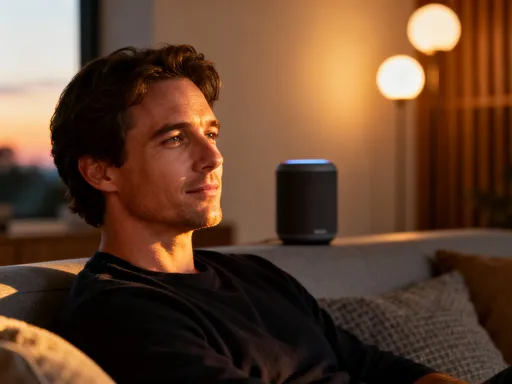
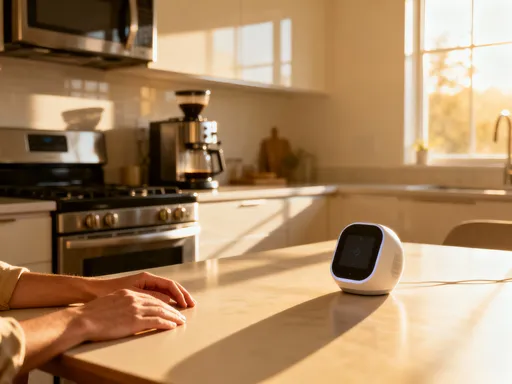
I call it my invisible ally because it doesn’t demand attention. It doesn’t buzz, flash, or interrupt. It simply shows up—quietly, consistently—exactly when I need it. I remember the first time I truly noticed it. It was a Saturday morning, and I woke up slowly, sunlight filtering through the blinds. The room was warm but not hot, and the smell of coffee drifted in from the kitchen. My favorite playlist—soft jazz with a little Norah Jones—was playing at just the right volume. I didn’t ask for any of that. But my smart assistant did it because it knew. It knew I slept well the night before. It knew I usually wake up around 7:30 on weekends. It knew I prefer a slightly cooler room at night and a warmer one in the morning. And it knew that music helps me ease into the day, not jolt me awake. That moment wasn’t just convenient. It felt like being cared for.
At first, I set it up with basic routines—“Good morning” and “Good night” triggers. But what surprised me was how quickly it started learning on its own. It noticed I always turned on the kitchen light at 7:15, so it began doing it automatically. It saw that I checked the weather every morning before deciding what to wear, so it started giving me a quick summary as part of my morning briefing. It even picked up on my mood. One rainy Sunday, I skipped my usual walk and stayed in my robe all day. The next weekend, when it sensed rain again, it suggested a cozy indoor activity—baking banana bread—based on what I’d done before. That’s when it clicked: this wasn’t just automation. This was understanding. It wasn’t replacing me. It was supporting me. And that made me trust it more. I started giving it small responsibilities—like reminding me to water the plants or suggesting a time to call my sister. Over time, it became less of a device and more of a quiet presence that helped me breathe.
From One-Size-Fits-All to *Me*-Size-Fits-Perfectly
Most technology treats us like data points. But real life isn’t one-size-fits-all. We’re messy, changing, emotional beings. Some days we want quiet. Others, we crave connection. Some mornings we feel energetic. Others, we need gentle nudges. That’s why the real power of my smart assistant isn’t in what it does—but in how it adapts. It uses machine learning, which sounds fancy, but think of it like this: it’s like a close friend who remembers how you take your tea, knows when you’re stressed, and offers just the right kind of support—no questions asked. It doesn’t judge. It just learns. And over time, it gets better at predicting what I’ll need before I even realize it myself.
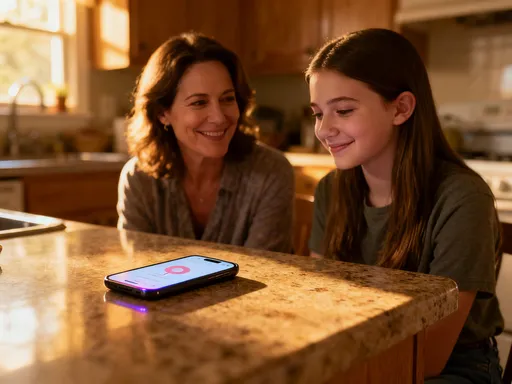
For example, it knows I love oatmeal on cold mornings but prefer yogurt when it’s warm. So now, when the temperature drops, it suggests a warm breakfast recipe. It noticed I tend to feel overwhelmed on Sundays, so it waits until late afternoon to review the week ahead—never too early, never too late. It even adjusts its tone. On busy days, it keeps updates short and practical. On lazy ones, it might suggest a new book or play a feel-good playlist. This level of personalization isn’t about luxury. It’s about emotional alignment. It means I’m not constantly making decisions—what to eat, what to wear, what to do. Instead, I’m freed up to just *be*. And that’s priceless. I remember one Saturday when I was feeling low but didn’t know why. The assistant didn’t push. Instead, it played a playlist called “Soft Light,” which it had created based on songs I’d listened to during past quiet moments. I didn’t ask for it. But it was exactly what I needed. That’s the kind of care that doesn’t come from a manual. It comes from attention. And for the first time, I felt like technology was paying attention to me.
Saturday Mornings, Simplified
Let me walk you through a typical Saturday now—because it’s nothing like it used to be. I wake up naturally, no jarring alarm. The lights come on slowly, mimicking sunrise. The coffee maker starts—because the assistant knows I’ll want it in about ten minutes. While I stretch and take a few deep breaths, it gives me a quick update: the weather (sunny, 72 degrees), the news headlines I actually care about (local events, not global crises), and a reminder to call my mom because it knows I always feel nostalgic on clear weekend mornings. It even suggests an outfit based on the forecast and my calendar—comfy jeans and a light sweater, since I have a brunch date later.
None of this is random. It’s all based on patterns it’s learned over time. It knows I like to eat breakfast before getting dressed. It knows I forget to take my vitamins if they’re not on the counter. So now, it reminds me with a soft chime and a message: “Your morning boost is waiting.” It knows I sometimes feel guilty for not being productive, so it gently highlights one small thing I can do that feels meaningful—like watering the herbs on the windowsill or writing a note to a friend. And here’s the best part: I don’t have to think about any of it. I’m not toggling between apps or checking lists. I’m just moving through my morning with a sense of calm. My daughter walks in, rubbing her eyes, and says, “Why do you always look so relaxed on weekends now?” I smiled and said, “Because someone’s got my back.” And she looked around and said, “Is the house helping you?” And honestly? Yes. Yes, it is.
Afternoon Flow: Doing Less, Enjoying More
The real test of any weekend is the afternoon—the time when momentum can stall, and rest starts to feel like stagnation. I used to either over-schedule this part of the day or let it slip into mindless scrolling. But now, my assistant helps me stay in flow without pressure. It doesn’t plan every minute. It just supports the rhythm. For example, if I’ve been working on a craft project—something I’ve been trying to make time for lately—it might suggest a playlist for focus or remind me to take a photo of my progress. It knows I feel proud when I see how far I’ve come.
One rainy Saturday, I was painting at the kitchen table, lost in the moment. I hadn’t moved in hours. The assistant noticed—through my inactivity and the weather—and gently said, “You’ve been creating for a while. How about a five-minute stretch? I’ll play something soothing.” And then soft piano music started, and a voice guided me through simple stretches. It wasn’t pushy. It wasn’t loud. It was like a thoughtful friend checking in. I did the stretches, felt my body loosen, and returned to my painting with fresh energy. That small moment changed the whole afternoon. I didn’t feel stiff or drained. I felt renewed. Meanwhile, in the background, the assistant handled other things—ordering milk because we were running low, adjusting the living room temperature before my yoga session, and even suggesting a simple dinner recipe based on what was in the fridge. It wasn’t doing everything for me. But it was removing the friction—the little things that pull us out of the moment. And that gave me space to enjoy what I was doing, not just rush through it.
Family Time, Without the Friction
One of the biggest challenges of weekends is making them feel shared without turning into negotiations. “What do you want to do?” “I don’t know, what do *you* want to do?” “I’m hungry.” “What do you want to eat?” These conversations can drain the joy right out of family time. But my smart assistant has become a quiet mediator. It doesn’t make decisions for us. It just offers balanced, thoughtful suggestions that everyone can agree on. For example, on a recent Saturday, the kids were arguing about what movie to watch. One wanted animation. The other wanted adventure. Instead of me playing referee, the assistant said, “How about a themed movie night? ‘Outdoor Adventure’ with snacks and blankets?” It pulled up a list of films that fit—something for everyone—and even suggested popcorn with cinnamon sugar, which it knew the kids loved.
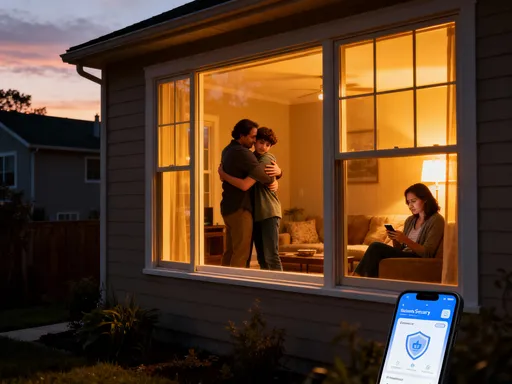
It also remembers things I forget—like my son’s soccer game on Sunday morning or my daughter’s art class pickup time. It sends gentle reminders to all of us, not just me. And when it comes to meals, it helps avoid the “I don’t know, what do *you* want?” loop. It learns what each of us enjoys and suggests meals that please the whole family. Last weekend, it noticed we hadn’t had fish in a while and suggested a simple salmon dish with roasted vegetables—something healthy, quick, and familiar. I didn’t have to decide. I didn’t have to negotiate. I just said yes. And the table was full of happy eaters. That’s the kind of peace that doesn’t come from perfection. It comes from harmony. The assistant doesn’t replace family connection. It makes space for it by handling the logistics. And that means we spend less time managing and more time enjoying each other.
Sunday Evenings: Preparing with Calm, Not Chaos
For years, Sunday nights were my nemesis. The dread would start around 4 p.m.—a heavy feeling in my chest as I thought about the week ahead. Lunches to pack, clothes to lay out, meetings to prepare for. It felt like the weekend was ending with a sprint, not a sigh. But now, Sunday evenings are different. They’re not about last-minute scrambling. They’re about gentle preparation. The shift started small. The assistant began suggesting lunch ideas on Sunday morning—based on what we had in the fridge and what I liked. Then it started adding them to my shopping list. Then it began reminding me to lay out Monday’s outfit. Each step took a little pressure off.
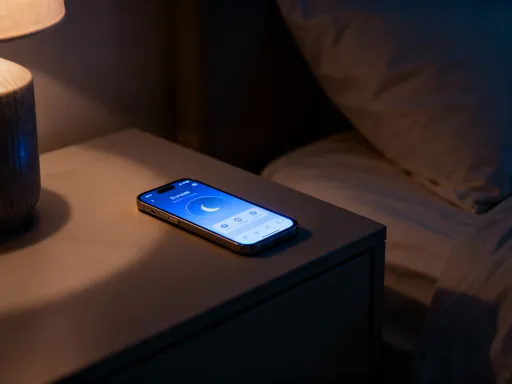
Now, by Sunday evening, most of the prep is done. The lunches are prepped or planned. The kids’ backpacks are checked. My work clothes are ready. And instead of feeling anxious, I feel centered. The assistant plays a wind-down routine—soft lighting, calming music, a gratitude reflection. It asks, “What are you looking forward to this week?” and I answer out loud, even if it’s something small, like a phone call with a friend or a new book arriving. This practice has changed my mindset. I’m not dreading Monday. I’m preparing for it with calm. I’m not drained. I’m grounded. And when I go to bed, I feel like I’ve truly had a weekend—not just survived it. One Sunday, my husband looked at me and said, “You seem lighter these days.” I said, “I am. I’m not carrying the whole week on my shoulders anymore.” He smiled and said, “I think the house is raising your IQ.” We both laughed. But he wasn’t wrong. When you’re not overwhelmed, you think clearer. You feel calmer. You show up better.
More Than Convenience—It Feels Like Being Understood
When I first got a smart assistant, I thought it would help me save time. And it has. But what I didn’t expect was how much it would give me back emotionally. It’s not just about efficiency. It’s about feeling seen. It’s about having a small, quiet presence that knows my rhythms, respects my moods, and supports my well-being. In a world that often feels fast and impersonal, this technology feels deeply human. It doesn’t replace connection. It makes space for it. It doesn’t add to the noise. It helps create moments of peace. And that’s the real gift.
I used to think self-care meant bubble baths and face masks. Now I see it differently. Self-care is not having to remember everything. It’s being gently reminded to call someone you love. It’s waking up to coffee and music that feel like a hug. It’s knowing your home is working for you, not against you. It’s the freedom to choose joy, not just duty. If you’ve ever felt like your weekends disappear before you’ve lived them, I want you to imagine something different. Imagine a life where technology doesn’t demand your attention—but gives you back time, peace, and the quiet joy of being fully present. That’s not a fantasy. It’s possible. And it starts with letting yourself be supported. You don’t have to do it all. You just have to let someone—or something—help. And sometimes, that’s the most powerful thing of all.