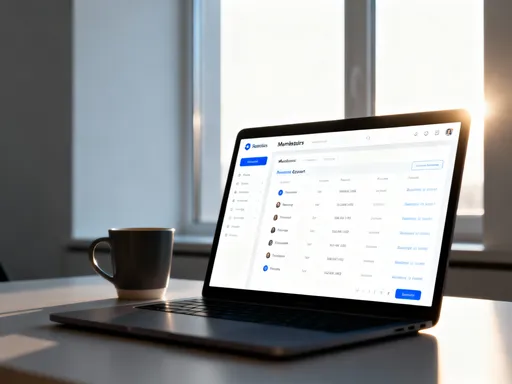
Beyond Q&A: How Knowledge Platforms Fit Seamlessly Into My Daily Flow
Life moves fast — between work, family, and personal goals, finding time to learn feels impossible. But what if learning could happen naturally, in the quiet moments of your day? I used to struggle with staying curious amid chaos — until I discovered how modern knowledge platforms quietly reshaped my routine. They didn’t replace my life; they融入 it. Now, answers come when I need them, curiosity stays alive, and growth feels effortless. This is not about studying harder. It’s about learning smarter — right where life happens.
The Morning Scroll That Actually Helps
We’ve all done it — reached for our phone the second we open our eyes, scrolling through social media before our feet even hit the floor. For years, that morning habit left me feeling drained before the day began. Endless updates, curated lives, and never-ending reels — none of it made me feel more centered or prepared. But then I decided to shift that habit. Instead of opening Instagram, I started opening a knowledge-based Q&A platform I’d heard about from a friend. And honestly, it changed everything.
At first, I wasn’t sure what to expect. I typed in a simple question: “What’s one small thing I can do today to feel more focused?” Within seconds, I had five thoughtful responses — not from experts in lab coats, but from real people who’d tried things and shared what worked. One suggested drinking a glass of water before coffee. Another recommended writing down just one priority for the day. Nothing flashy, but all of it practical. I tried the water trick that morning — and honestly, I felt more awake, more present. It wasn’t magic. It was just good advice, delivered at exactly the right time.
Now, my morning scroll feels purposeful. While the coffee brews or the kids pack their lunches, I browse short, clear answers to things I actually care about: “How can I stop feeling overwhelmed?” “What’s a quick healthy breakfast for busy mornings?” “How do I start a gratitude habit?” These aren’t long articles that demand 20 minutes of my attention. They’re bite-sized insights — the kind you can absorb while buttering toast. The platform learns what I’m interested in, so over time, the feed has become personal, not overwhelming. It’s like having a wise friend who knows what I need, even when I don’t ask.
What I love most is how this small shift has added up. I’m not carving out extra time for self-improvement. I’m simply using the time I already had — just more intentionally. And the result? I start my day feeling more grounded, more curious, and less reactive. That five-minute scroll no longer leaves me drained. It fuels me.
Learning in the In-Between Moments
Let’s be real — most of us don’t have big blocks of free time. Our days are made up of in-between moments: waiting for the school bus, standing in line at the grocery store, pausing between Zoom meetings, or even folding laundry. These gaps used to vanish, filled with random scrolling or impatience. But now, I see them differently. They’re not empty spaces — they’re opportunities. And that’s where knowledge platforms have become my quiet secret.
I’ve started carrying questions with me — real ones that come up in daily life. “How do I keep my herbs fresh longer?” “What’s the easiest way to start composting at home?” “How can I help my child manage anxiety before tests?” These aren’t questions I’d sit down to research, but they matter. And now, I don’t have to wait until I’m at my desk to find answers. When I’m waiting for my coffee order, I pull out my phone, type in the question, and within seconds, real people — parents, gardeners, teachers, therapists — offer advice that’s practical, tested, and kind.
What makes this different from a Google search is the human touch. It’s not just links to articles or ads. It’s someone saying, “I struggled with this too. Here’s what worked for me.” One time, I asked how to fix a wobbly shelf. A carpenter from Ohio responded with a three-step fix using just a screwdriver and a wooden shim. I tried it that evening — and it held. That kind of immediate, real-world help makes learning feel alive, not academic.
The convenience isn’t just about access — it’s about timing. Knowledge shows up when it’s useful, not when I’m forced to schedule a “learning session.” And because the answers are conversational and clear, I actually remember them. These micro-moments of learning have quietly added up. I’m more capable at home, more confident in parenting, and more curious about the world — all because I stopped treating small gaps in my day as wasted time.
A Calmer Mind, One Answer at a Time
Moments of uncertainty used to send me into a spiral. A clogged drain, a difficult conversation with my teenager, a strange noise from the car — any of these could trigger stress that lasted hours. I’d either freeze, avoiding the problem, or rush into a solution I wasn’t confident about. That constant undercurrent of anxiety made me feel like I was always one step behind.
Then I started using the knowledge platform as my first stop, not my last resort. Instead of panicking, I’d type: “How do I unclog a kitchen sink without chemicals?” or “How do I talk to my teen when they’re shutting down?” What I found wasn’t just answers — it was reassurance. Dozens of people had faced the same thing. They’d tried different approaches, shared what worked, and even admitted what didn’t. Reading their stories didn’t just give me a fix — it reminded me I wasn’t alone.
One night, my daughter came home upset after a friendship conflict. I wanted to help, but I didn’t know what to say. Instead of giving advice on the spot, I opened the app and searched: “How do I support my teen without fixing their problems?” The responses were gentle and wise. One parent wrote, “Listen first. Let them feel heard. Most of the time, they don’t need a solution — they need to know you’re there.” I took a breath, sat with her, and just listened. No advice, no fixes. And later, she said, “Thanks for not trying to fix it. I just needed you to understand.”
That moment changed how I parent — and how I handle uncertainty in general. I no longer see not knowing as a weakness. I see it as the first step toward growth. The platform has become my calm, reliable friend — one I can turn to when I feel overwhelmed. And over time, this shift has made me more confident, less reactive, and more present. I’m not trying to have all the answers. I’m learning to be okay with asking — and that’s made all the difference.
Sharing Questions Strengthens Connections
There’s something powerful about asking a question out loud — even if it’s typed into a screen. I remember the first time I posted: “How do I talk to my teen about screen time without starting a fight?” I hesitated before hitting send. What if people judged me? What if I sounded like a bad parent? But I clicked it anyway. And within hours, I had responses — not criticism, but empathy. “We’re in the same boat,” one mom wrote. “Try starting with curiosity, not rules.”
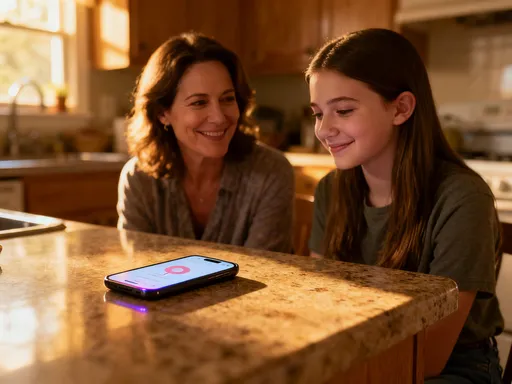
One suggestion stood out: instead of saying, “You’re on your phone too much,” try asking, “What do you enjoy most about the apps you use?” It felt counterintuitive, but I tried it. I sat next to my daughter, phone in hand, and said, “I notice you love TikTok. What’s your favorite thing about it?” She looked surprised — then started talking. For the first time, we had a real conversation about screens, not a battle. A few days later, she even suggested setting a bedtime limit on her own.
That experience taught me something unexpected: asking questions doesn’t just help me — it connects me. So I went back to the platform and shared what happened. I wrote, “Tried your advice — and it worked.” I didn’t expect much, but my story got kind responses. Other parents said they’d try the same approach. And that’s when it hit me: this isn’t just a place to get answers. It’s a community where we grow together.
Now, I share more — not just questions, but what I’ve learned. When I figured out how to organize my pantry with dollar-store bins, I posted a quick tip. When I found a simple way to start a gratitude journal with my kids, I shared that too. It’s not about being an expert. It’s about saying, “This worked for me — maybe it’ll help you.” And in return, I feel seen, heard, and part of something bigger. The platform isn’t just a tool — it’s a space where my voice matters, and so does yours.
Building Confidence Through Curiosity
For years, I avoided asking questions — especially in groups. I’d sit in meetings or parenting workshops, full of doubts, but stay silent. I didn’t want to sound ignorant. I didn’t want to be the one who “didn’t get it.” That fear held me back — not just in learning, but in feeling capable.
But something shifted when I started using the knowledge platform. I saw people asking all kinds of questions — some simple, some complex, all honest. No one was shamed for not knowing. In fact, the most respected contributors were often the ones who asked the clearest questions. I realized: curiosity isn’t a sign of weakness. It’s a sign of courage.
So I started small. I asked, “What’s the difference between baking soda and baking powder?” — something I’d faked understanding for years. The answers were clear, kind, and helpful. No judgment. Just information. And something inside me relaxed. I didn’t have to pretend anymore.
Each question I asked became a tiny act of self-trust. I was saying, “It’s okay not to know. It’s better to ask than to guess.” Over time, this rebuilt my confidence — not just in knowledge, but in myself. I started speaking up more at work, sharing ideas I’d once kept quiet. I became more patient with my kids when they asked “why” over and over — because I remembered how powerful that word can be.
The platform didn’t teach me to be an expert. It taught me to be curious — and that’s made me braver. I’m no longer afraid of not having answers. I’m excited by the questions. And that shift — from fear to curiosity — has changed how I move through the world.
Making Time for Growth Without Adding Tasks
I used to think self-improvement meant adding more to my plate: read a book a month, take an online course, journal every night. But with everything else on my plate, those goals just made me feel guilty. I wasn’t lazy — I was busy living my life.
What I love about knowledge platforms is that they don’t ask for more time. They fit into the time I already have. I’m not scheduling “learn something new” into my calendar. I’m learning while living. While dinner simmers, I read about mindful breathing. While waiting for a meeting to start, I explore tips for better communication. While folding socks, I listen to a short audio answer about reducing home waste.
This isn’t about becoming perfect. It’s about becoming a little more capable, a little more aware, a little more at ease — without adding pressure. I no longer feel like I’m failing because I didn’t “do enough” today. Growth isn’t a task. It’s a rhythm — and this platform has helped me find mine.
The emotional relief has been just as important as the practical tips. I don’t feel behind. I don’t feel overwhelmed. I feel like I’m moving forward — gently, steadily, in my own way. And that’s made all the difference. Self-growth doesn’t have to be loud or dramatic. It can be quiet, consistent, and woven into the fabric of daily life.
A Smarter, Softer Way to Live
Looking back, the real change isn’t measured in how many facts I’ve learned or how many questions I’ve asked. It’s in how I feel as I move through my days. I’m calmer. I’m more prepared. I’m more connected — to my family, to other women like me, and to myself.
The platform hasn’t taken over my life. It’s supported it. It’s there when I need it — not with flashy promises or complicated systems, but with simple, human wisdom. It’s like having a wise friend always nearby — one who listens, understands, and offers just enough.
I don’t use it to become an expert on everything. I use it to become more *myself* — more confident, more curious, more at peace. And that’s the quiet power of technology that truly fits into life. It’s not about replacing real connection or lived experience. It’s about enhancing both — one small answer at a time.
So if you’ve ever felt too busy to learn, too unsure to ask, or too overwhelmed to grow — I get it. But what if the support you need is already in your pocket? What if the next step isn’t a big leap, but a simple question? Try it. Ask. Listen. Grow. Not because you have to — but because you want to. Because you’re worth the curiosity. And because a smarter, softer way to live is closer than you think.