It’s not just tracking: How a period app quietly made our family life smoother
You know those days when everything feels out of sync—moods shift, plans fall apart, and even the simplest tasks take twice as long? I used to dread that time of the month, not just for the cramps, but because it threw off our whole household rhythm. Then we started using a period management app together—yes, together—and something small made a big difference. It wasn’t about data or charts. It was about knowing, sharing, and actually feeling supported. What began as a personal tool quietly became a shared family compass, helping us move from guessing to understanding, from friction to flow. And honestly, it changed more than I ever expected.
The Moment I Realized It Wasn’t Just My Body—It Was Our Family Rhythm
There was a Saturday morning last winter that still sticks with me. My daughter spilled her juice, and I snapped. Not at her—she hadn’t even done it on purpose—but something about the slow drip down the counter pushed me over the edge. My husband looked at me, surprised, and I could see the unspoken question in his eyes: What just happened? Later that day, I forgot to pick up my son from soccer. I was already on edge, and the call from the coach sent me spiraling. I felt guilty, frustrated, and exhausted—all before 4 p.m.
That night, as I sat on the couch with a heating pad and a cup of chamomile tea, my husband sat beside me and said softly, “Is it that time again?” I almost bristled—old instincts kicking in, expecting judgment. But his tone wasn’t critical. It was curious. Caring. He wasn’t blaming me. He was trying to understand. And in that moment, something shifted. I realized I’d spent years treating my menstrual cycle like a secret burden—something to power through, hide, or apologize for. I never talked about it openly, not even with the people who lived under the same roof.
But what if I didn’t have to? What if, instead of pretending everything was fine when it wasn’t, we could actually plan around it? What if my cycle wasn’t a disruption, but a rhythm—one that our family could learn to move with, not against? That’s when I started thinking about using a period tracking app not just for myself, but as a shared tool. Not to broadcast every detail, but to give my family gentle cues—like weather forecasts for my body and mood. It wasn’t about making excuses. It was about creating space for grace.
Choosing the Right App: Simplicity, Privacy, and Shared Access
I’ll admit, I was nervous at first. I didn’t want to hand over my personal health data like it was just another calendar invite. I’d tried tracking apps before—some were too clinical, full of charts and hormone graphs I didn’t understand. Others felt like digital junkyards, cluttered with ads and pop-ups for supplements I didn’t need. I wanted something different: clean, intuitive, and respectful of my privacy.
After testing a few, I found one that struck the right balance. It had a simple interface, gentle notifications, and—most importantly—customizable sharing settings. I could choose exactly what to share and with whom. No full access. No constant monitoring. Just a few key details: cycle start dates, predicted PMS windows, and general mood trends, all visible on a shared family calendar. I liked that it didn’t feel invasive. It felt like setting up a quiet signal light—green when things were smooth, yellow when I might need a little more patience or support.
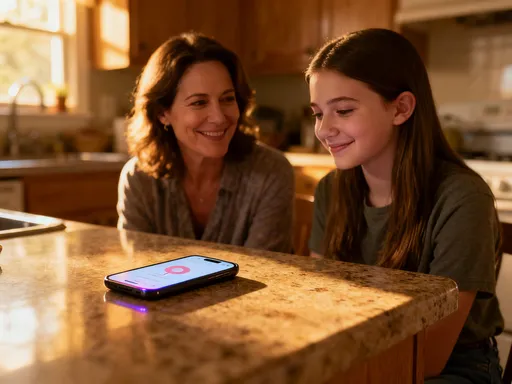
The real turning point came when I sat down with my partner and our oldest daughter—she was 15 at the time—to set it up together. We made it a conversation, not a declaration. I explained why I wanted to use it, what it would show, and what would stay private. My daughter even helped pick the color for my cycle days on the shared calendar—she chose soft coral, saying it looked “calm but noticeable.” That moment mattered. It wasn’t me imposing a new system. It was us building it together. And that made all the difference.
From Tracking to Teamwork: How the App Changed Daily Tasks
The first real test came two weeks later. The app flagged a high-PMS week, and my husband saw it before I even mentioned feeling off. That Friday, instead of coming home to chaos, I walked into a quiet house. The kitchen was clean, dinner was already started, and my son’s backpack was by the door—ready for school the next day. When I asked what had changed, he just smiled and said, “I saw the app said this might be a tough week. Figured I’d take a few things off your plate.”
It sounds small, but it wasn’t. It was the first time I didn’t have to ask for help. He saw the signal and responded with care. And from then on, little things started shifting. We began planning grocery runs earlier in the cycle, before energy dips made shopping feel overwhelming. My older daughter started offering to walk her brother to the bus stop on days when she knew I’d be tired. We even adjusted our weekend plans—swapping hiking trips for movie nights when the app predicted low stamina.
What surprised me most was how it changed the tone at home. There was less friction, fewer misunderstandings. When I felt irritable, my family didn’t take it personally. They knew it wasn’t about them—it was part of a pattern. And because they understood, they could respond with empathy instead of defensiveness. The app didn’t fix everything, but it gave us a shared language. Instead of saying, “You’re being short with me,” it became, “You doing okay? The app said today might be tough.” That small shift—from accusation to concern—made all the difference.
Teaching My Teen to Track: A Quiet Act of Empowerment
When my daughter got her first period, I wanted to handle it with calm and clarity. No panic, no shame, no rushed conversations in the drugstore aisle. So we opened the same app together one evening after dinner. No big speech. Just, “Want to see how this works?” We walked through the features—logging flow, noting mood, tracking cramps. She asked questions, I answered them. Simple. Normal.
Within a few months, she was using it on her own. She set reminders for heavy days so she’d pack extra supplies at school. She started noticing patterns—how her energy dipped mid-cycle, or how her focus sharpened in the week after her period. One day, she told me she’d moved her math study session to that high-focus window. “It just makes sense,” she said. “Why push through when I can work with my body?”
Watching her use the app felt like witnessing a quiet revolution. She wasn’t just tracking her period—she was learning to listen to her body. She began advocating for herself: asking for a later wake-up on tough mornings, choosing snacks that helped her mood, even talking to her teacher about adjusting deadlines during exams. The app gave her language for things she might have otherwise brushed off as “just how I feel.” And for me, it was a gift—knowing she wasn’t navigating this alone, that she had a tool to help her feel confident and in control.
When Illness Interrupted: How the App Helped Us Adapt
Last spring, I started feeling off—not just during my cycle, but all the time. I was exhausted, my moods were unpredictable, and my period became irregular. At first, I blamed stress. But the app told a different story. When I looked back at six months of data, the pattern was clear: cycles were getting longer, PMS symptoms were worsening, and my energy logs showed a steady decline. I took screenshots to my doctor, and for the first time, I wasn’t describing vague feelings. I had evidence.
Turns out, I had a mild hormonal imbalance—nothing dangerous, but enough to throw things off. With treatment, it improved. But what stayed with me was how the app helped my family during that time. When I needed to rest, they didn’t question it. They saw the data—the longer gaps, the lower energy tags—and understood it wasn’t laziness or moodiness. It was my body asking for care.
My husband took over bedtime routines without being asked. My daughter helped with dinner. Even my younger son started whispering, “Is Mom in a low-energy week?” and would quietly play in his room instead of demanding attention. The app didn’t cure me, but it gave my family a way to support me without me having to explain myself over and over. It turned uncertainty into understanding, and that made all the difference.
Beyond the Cycle: Building a Culture of Awareness at Home
What started as a period tracker quietly grew into something bigger. We began using shared calendars for other rhythms, too. My husband logs his sleep quality. My daughter tags her stress levels during exam weeks. We even have a hydration tracker—silly, maybe, but it works. The point isn’t perfection. It’s awareness. It’s learning to notice patterns, honor limits, and adjust with kindness.
The period app became the starting point because it forced us to talk about something we’d long ignored. But once we opened that door, others followed. We started checking in more—“How’s your energy?” “Need a hand?” “Want some quiet time?” It wasn’t forced. It felt natural, like we were finally speaking the same language.
I’ve realized that a smooth-running household isn’t about doing more. It’s about knowing more. When we understand each other’s rhythms, we can move together instead of bumping into each other. We’re not a perfectly organized family. We still have messy mornings and forgotten chores. But now, we recover faster. We’re quicker to offer help, slower to take things personally. And that’s made our home feel more like a safe harbor—and less like a battlefield.
Small Tech, Big Shift: Why This Changed More Than I Expected
Looking back, I never thought a little app could change so much. I thought it would help me remember my period dates. Instead, it helped my family understand me. It didn’t just track cycles—it helped us build compassion, communication, and connection. The technology itself was simple. But how we used it? That was the real magic.
We stopped pretending we were all operating at 100% all the time. We admitted that some days are harder. And instead of pushing through in silence, we learned to signal, to adjust, to support. That’s the gift this app gave us—not more data, but more empathy. Not better tracking, but better care.
If you’ve ever felt like your body works against you during certain weeks, or like your family just doesn’t get why some days are harder, I want you to know: it’s not just you. And it doesn’t have to stay that way. A small tool, used with intention, can open doors you didn’t know were closed. It can turn guesswork into grace. It can help your home feel a little more in tune.
So here’s my question for you: what if your family’s rhythm could feel just a little smoother? Not perfect. Just… easier. What if you didn’t have to carry it all alone? I didn’t think it was possible either—until we tried. And now, I can’t imagine going back.