Beyond alerts: How family security networks quietly strengthened our daily peace
You know that little knot of worry you feel when your teenager drives home late? Or when your parents are alone during a storm? I did too—until we started using a simple family security network. It didn’t replace phone calls or care, but it added something unexpected: calm. Not constant checking, not fear, but real, quiet confidence. This isn’t about surveillance—it’s about shared awareness, smarter routines, and the kind of peace that comes from knowing everyone’s a little safer, every day. It’s not flashy or complicated. In fact, the most powerful part is how quietly it works—just a soft chime on a phone, a light turning on automatically, or a tiny notification that says, She’s home. That small moment can lift a weight you didn’t even realize you were carrying.
The Moment We Realized We Needed More Than Just “Check-In” Texts
It was a rainy Thursday evening, the kind where the wind knocks tree branches against the house and the power flickers once or twice. My teenage daughter was driving back from a friend’s place, and my sister was visiting our mom in another state. I remember checking my phone every few minutes—no new messages. My daughter usually texts when she gets home. My sister always replies, even if it’s just a heart emoji. But this time, silence. One hour passed. Then two. I told myself not to panic. Teens forget. Adults get busy. But that knot in my stomach tightened with every passing minute. I called my daughter—no answer. I texted my sister—nothing. I knew, logically, that silence didn’t mean danger. But knowing and feeling are two different things.
That night, when my daughter finally walked in—safe, dry, and completely unaware of the storm in my mind—I didn’t yell. I just hugged her. And later, I asked myself: Why did I have to carry that weight alone? Why did we rely only on texts and hope? We’ve used “check-in” messages for years—“Got here safe,” “Leaving now,” “All good.” But they depend on memory, energy, and sometimes, the strength to type when you’re tired or distracted. What if we had a way to know—without asking? Not to control, not to hover, but simply to breathe easier?
That was the turning point. Not because anything terrible happened, but because I realized how much emotional labor anxiety was costing me. The constant mental tracking, the silent calculations: Did she leave on time? Is traffic bad? Did her phone die? I wanted something better—not just for me, but for all of us. I wanted a system that didn’t add to the noise but helped quiet it. And that’s when I started looking into what real family security networks are, and what they can actually do.
What a Family Security Network Really Is (And What It’s Not)
Let’s clear up a big misunderstanding right away: a family security network is not about watching people like a movie. It’s not cameras in every room, or tracking someone’s every move on a map. That’s surveillance—and that’s not what we’re talking about. What we built is more like a shared heartbeat. It’s subtle. It’s respectful. It’s about knowing the things that matter, when they matter, without anyone having to say a word.
Think of it like this: when your phone buzzes to tell you the front door opened at 3:15 PM, and you know your kids get home from school around then, that little alert isn’t cold data. It’s warmth. It’s They’re safe. When your aging parent’s motion sensor shows gentle activity in the kitchen at 9 AM, it’s not about monitoring—it’s about reassurance. It’s knowing they’re up, moving, starting their day. These small signals don’t replace love or conversation. They support them. They let us care without calling. They let us trust, without guessing.
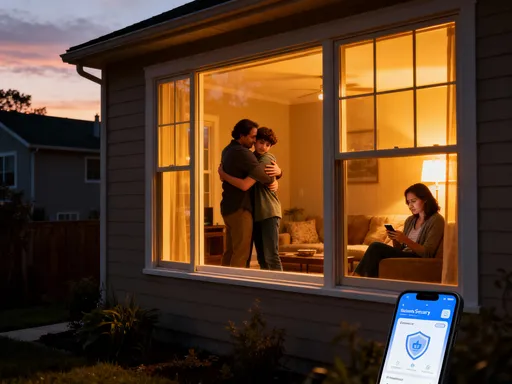
The core of our network is simple: a few connected devices—door sensors, motion detectors, smart lights, and a mobile app that ties it all together. Everyone in the family has access, but only to what they’ve agreed to share. My mom sees when the garage door opens—she likes knowing my brother arrived safely. My daughter gets a notification when the back door is left unlocked—her reminder, not mine. No one sees everything. No one has control over another’s space. It’s not about power. It’s about partnership.
And here’s the most important part: consent. We didn’t just install things and announce them. We talked. We asked, “Would this help you feel safer?” “Is this something you’d want to know?” “How much is too much?” The technology is only as good as the trust behind it. Without that, it’s just wires and sensors. With it, it becomes something deeper—a quiet promise that we’re looking out for each other.
How We Set Ours Up—Without Confusion or Conflict
I’ll admit, I was nervous at first. Would my mom think I didn’t trust her? Would my teens feel like I was spying? So we started small—very small. One smart door sensor on the front door. That’s it. Just one. And we didn’t even turn on alerts right away. We let it gather data for a week—just so we could see how it worked, how accurate it was, how it felt.
Then we had a family dinner—no phones, just conversation. I said, “I’ve been worried about how hard it is to know who’s home, especially when someone’s late. I found this little sensor that tells us when the front door opens. Would it help if we knew that? Or would it feel like too much?” My daughter said, “As long as you don’t text me every time it opens, I’m fine with it.” My mom said, “If it means I don’t have to call to say I’m back, I love it.” My brother added, “Can it remind us if the door’s left open?” And just like that, we had buy-in.
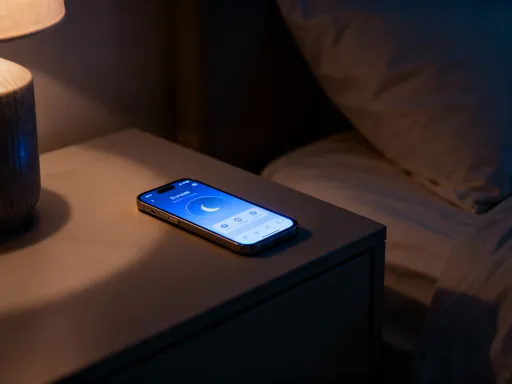
We decided together who would get what alerts. My husband and I get all notifications. The kids get only the ones they asked for—like “back door unlocked” or “garage door open after 10 PM.” My mom gets a daily summary at noon—just a quick, “Everyone came and went safely today.” No noise, no pressure. We also set “quiet hours” from 10 PM to 7 AM. Unless something urgent happens—like motion in the basement at 2 AM—no alerts make sound. Everyone’s sleep stays peaceful.
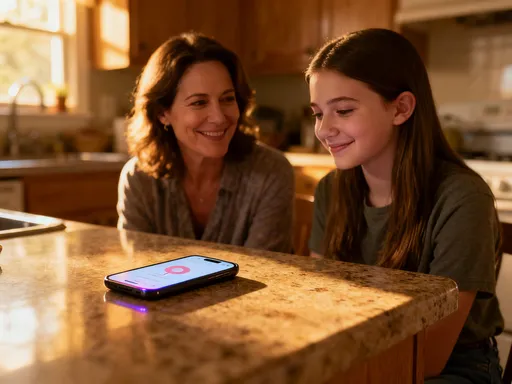
Setting it up was easier than I thought. Most devices are designed for people like us—not tech experts, but parents, daughters, sisters who want to care better. We used a popular home monitoring app that’s used by millions—nothing obscure or risky. We followed the setup guide, connected the sensor to Wi-Fi, and tested it together. The first time it buzzed when my son walked in, we all laughed. It felt like magic. But more than that, it felt like relief.
The Unexpected Benefit: Better Communication, Not Just Safety
Here’s something I never expected: our family started talking more—not less. Before, my dad would call my sister five times a day when she was traveling. “Just checking in,” he’d say. But it didn’t always feel like care. Sometimes it felt like pressure. Since we added the arrival alerts—just a simple “Your sister has entered her apartment” notification—he stopped calling so much. Not because he cares less. Because he knows.
And that changed the tone of our conversations. Instead of “Are you home yet?” it became “How was your day?” Instead of “Did you lock the door?” it became “What did you make for dinner?” The constant, anxiety-driven questions faded because the answers were already known. That space—emotional and mental—opened up for real connection.
We even started using the system in sweet, small ways. My daughter set up a rule: when her brother gets home from soccer practice, the kitchen light turns on automatically. Her message? “Welcome back.” We use the same light as a “dinner’s ready” signal now. No yelling up the stairs. No missed calls. Just a warm glow that says, Come eat. We’re together.
Technology didn’t replace our humanity—it made room for more of it. The alerts didn’t make us distant. They gave us the freedom to be present. Because when you’re not stuck in the loop of “Did they make it? Are they okay?” you can actually enjoy the moment when they walk through the door.
Managing the Information Flow—Avoiding Alert Fatigue
Let’s be honest: at first, we overdid it. Every motion sensor ping, every door open, every light switch—we got a notification. Within a week, my phone felt like a fire alarm. I muted it. So did my husband. The system was working, but it was working too hard. We realized: more alerts don’t mean more safety. They mean more stress.
So we took a step back. We asked: what do we actually need to know, right now, in the moment? We sorted alerts into three categories: urgent, routine, and optional. Urgent—like someone entering the house at 3 AM or the basement door opening when no one should be there—gets a loud notification. Routine—like the front door opening at 6 PM when the kids get home—goes to a silent dashboard we can check anytime. Optional—like motion in the living room during the day—doesn’t notify anyone unless we’re expecting someone.
We also used automation to reduce the load. For example, between 8 PM and 7 AM, motion in the hallway only sends an alert if it lasts more than two minutes—because a quick trip to the bathroom shouldn’t wake the whole family. We set up “away mode” for when we’re on vacation—so every window sensor and door lock gets extra attention. And we gave each person control over their own notifications. My son doesn’t want any alerts. He just checks the app when he wants to. That’s okay. It’s his choice.
The goal wasn’t to know everything. It was to know what matters, when it matters, without being overwhelmed. And once we found that balance, the system stopped feeling like work and started feeling like support.
Growing With the System: From Safety to Shared Routines
What began as a way to ease nighttime worries has quietly woven itself into the rhythm of our lives. It’s no longer just about safety. It’s about care. It’s about connection. It’s about making daily life just a little smoother.
Now, when my daughter leaves for school, her phone’s location (with her permission) triggers a “door lock” reminder if she forgets. Not a scolding text. Just a gentle nudge from the system she helped design. When my mom visits, her arrival turns on the porch light and sends a quiet alert to my phone—so I know to warm up the tea. When we’re all home, the shared status board in the app shows green dots next to each name. No words needed. Just a glance tells us we’re together.
We even use it for our dog. A motion sensor near his bed lets us know he’s up and moving at night—important since he’s getting older. One evening, the alert went off at 1 AM, and I checked the camera (yes, one indoor camera, in a common area, with everyone’s agreement). He was just pacing, looking for water. I got up, refilled his bowl, and went back to bed. No crisis. No panic. Just a small act of care, made possible by a simple signal.
The network has become part of our rituals. Bedtime includes checking that all doors are locked—automatically confirmed by the app. Travel prep means turning on “guest mode,” which disables certain sensors and sends a daily check-in to the house sitter. It’s not perfect. We tweak it, update it, talk about it. But it’s ours. And it grows as we grow.
Why This Isn’t Just a Tech Upgrade—It’s a Family Practice
The biggest change didn’t show up in the app. It showed up in us. In the way we speak. In the way we listen. In the way we care. The technology didn’t create trust. It gave trust a place to live. It didn’t replace our love. It gave love a quieter, steadier voice.
Now, when I feel that familiar knot of worry, I don’t reach for my phone to send a text. I take a breath. I remember the system is working. I remember we’ve built something together—something that holds us, even when we’re apart. And more than that, I remember that we’ve chosen to look out for each other, not out of fear, but out of love.
This isn’t about living in a fortress. It’s about living with peace. It’s about knowing that the people you love are safe, not because you’ve checked 10 times, but because you’ve built a quiet, shared awareness that runs in the background of your life—like a lullaby you don’t even hear until it stops.
And when I think about what this network has given us, it’s not just safety. It’s time. It’s calm. It’s the freedom to live fully, because the small worries have been gently lifted. It’s not magic. It’s not perfect. But it’s real. And for our family, it’s been nothing short of transformative.