Are You Still Tossing and Turning? Your Phone Could Be the Key to Better Sleep
We’ve all been there—lying awake at 2 a.m., mind racing with tomorrow’s to-do list, while our phones glow beside us like silent accomplices to our sleepless nights. But what if the device keeping you up could actually help you fall asleep faster, stay asleep longer, and wake up feeling refreshed? It’s not magic—it’s smarter use of sleep improvement apps designed to support real work-life balance. You’re not failing at sleep. You’re just using your phone the wrong way. And the good news? A small shift in how you relate to your device might be the calm, consistent help you’ve been missing.
The Modern Sleep Struggle: When Work Never Ends
Imagine this: it’s 10:30 p.m. The kids are finally asleep, the dishes are done, and you’re sinking into the couch, ready to unwind. But instead of relaxing, you pick up your phone. Just one quick check. Then another. A message from your boss. A reminder about tomorrow’s presentation. A group chat that won’t stop pinging. Before you know it, an hour has passed, and your body feels alert—but your brain is exhausted. Sound familiar? This isn’t just poor discipline. It’s the reality of modern life, where the line between work and home has blurred into near invisibility.
Many of us carry our offices in our pockets. Emails follow us from the kitchen table to bedtime. Video calls stretch into the evening. And even when we’re not actively working, our minds stay in ‘on’ mode, replaying conversations, planning ahead, or worrying about deadlines. That mental load makes it incredibly hard to switch off. Your body might be in bed, but your nervous system is still in meeting mode. And over time, this constant state of low-grade stress rewires your natural sleep rhythm. You’re not lazy. You’re overwhelmed. And your sleep is paying the price.
But here’s the twist: the very device that seems to be stealing your sleep might also be your best ally in getting it back. We often blame our phones for keeping us awake, and yes, late-night scrolling on social media or watching intense shows can definitely disrupt rest. But what if we stopped seeing our phones as the enemy and started using them as a tool for support? What if, instead of mindlessly tapping, we used intentional features to guide us into a calmer state? That’s where sleep improvement apps come in—not as another demand on your time, but as a quiet companion that helps you reclaim your rest.
How Sleep Apps Work Without Taking Over Your Life
Now, you might be thinking, “Great, another app to download, another thing to manage.” I get it. The last thing you need is more complexity. But sleep apps aren’t about adding to your to-do list. They’re about working quietly in the background, like a thoughtful helper who knows your habits and gently supports you when you need it most. And the best part? You don’t need a fancy wearable or a medical device. Your phone already has everything it needs—microphone, motion sensors, and a calendar—to understand your sleep patterns.
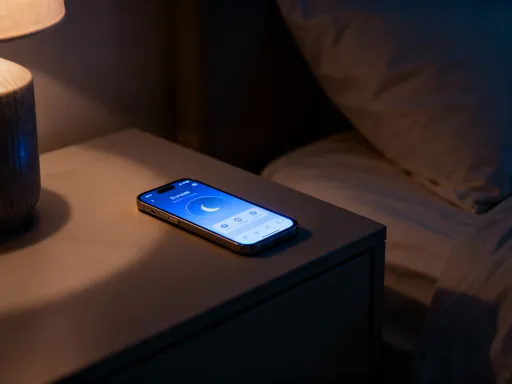
Think of it this way: when you place your phone on your nightstand, some sleep apps can listen for sounds like snoring, coughing, or even your partner’s midnight sighs—without recording conversations. They use that data to estimate how restless your night was. Others track when you typically turn off the lights, how long it takes you to fall asleep, and when you wake up. Over time, this builds a gentle picture of your rhythm. No pressure. No judgment. Just information that helps you understand your body better.
And then there are the smart wake-up features. Instead of jolting you awake with a blaring alarm at 6:30 a.m., some apps monitor your sleep cycles and wake you during a lighter phase—say, between 6:15 and 6:30—so you feel more refreshed. It’s like having a personal wake-up assistant who knows you don’t function well when ripped out of deep sleep. You still set the wake window, but the app chooses the best moment within it. That small shift can make a big difference in how you start your day.
The beauty of these tools is that they don’t require constant attention. You don’t have to log every meal or mood. You just live your life, and the app learns from it. It’s not about perfection. It’s about awareness. And once you start seeing patterns—like how late meals or evening wine affect your rest—you can make small, informed changes that actually stick.
Finding Calm After the Chaos: Wind-Down Routines That Stick
Let’s be honest—after a full day of managing kids, work, meals, and everything in between, the idea of adding a “wind-down routine” can feel like just another chore. Who has time for a 20-minute meditation or a herbal tea ritual? But what if your wind-down wasn’t another task, but a seamless transition from busy to calm? That’s where sleep apps can help—not by demanding more of you, but by offering simple, guided moments of peace.
Many apps include built-in wind-down features that take just 5 to 10 minutes. Imagine this: after tucking in the kids, you sit on the edge of your bed and open your app. You tap “Start Wind-Down,” and a soft voice guides you through three minutes of deep breathing. Inhale for four counts. Hold for four. Exhale for six. Your shoulders drop. Your jaw unclenches. Your mind begins to slow. It’s not about emptying your thoughts—it’s about giving them space to settle.
Or maybe you prefer a bedtime story. Yes, really. Not for the kids—for you. Some apps offer soothing, narrated stories designed for adults. No plot twists. No cliffhangers. Just gentle, calming words about walking through a quiet forest or watching stars appear in a darkening sky. It’s not about falling asleep to a story—it’s about using the rhythm of a voice to pull your attention away from the day’s noise.
One mom I spoke with told me, “I used to lie in bed replaying every mistake from the day—forgot the permission slip, burned dinner, snapped at my son. Now, I press play on a five-minute breathing exercise. It doesn’t erase the stress, but it helps me let go of it long enough to rest.” That’s the power of these tools. They don’t fix everything. But they create a soft landing spot for your mind after a long day.
Syncing Sleep with Real Life: Work Schedules, Family Needs, and Personal Goals
Here’s the truth: sleep advice often sounds like it was written for someone with a 9-to-5 job, no kids, and a personal chef. “Go to bed at 10 p.m. Wake at 6 a.m. Avoid screens. Meditate.” But real life doesn’t work that way. You might be a nurse working night shifts. A single parent juggling two jobs. Or someone training for a morning 5K. Your sleep needs to adapt to your life—not the other way around.
This is where smart sleep apps shine. They don’t enforce rigid rules. Instead, they learn your unique rhythm and offer personalized suggestions. For example, if you have a big meeting at 8 a.m., the app might gently remind you the night before: “Try to start winding down 30 minutes earlier tonight.” Or if it notices you’ve been going to bed later all week, it might suggest a slightly later wake-up time on Saturday to help you catch up—without making you feel guilty.
For shift workers, some apps can adjust their tracking based on your changing schedule. They don’t expect you to sleep at the same time every night. Instead, they help you maximize rest during your off hours. One nurse shared, “I work 12-hour shifts that rotate between days and nights. My app doesn’t judge me. It just helps me find the best window for sleep, no matter what time I’m off.” That kind of flexibility is priceless.
And it’s not just about timing. Some apps connect with your calendar and fitness tracker to give a fuller picture. If you’ve scheduled a workout in the morning, the app might suggest a slightly earlier bedtime the night before. If you’ve got a family event planned, it might offer a calming playlist to help you relax afterward. It’s not about control. It’s about harmony. These tools help you align your rest with your real priorities—because better sleep isn’t about following a perfect routine. It’s about feeling supported, no matter what your day looks like.
Protecting Your Peace: Digital Boundaries That Actually Work
Now, let’s talk about the elephant in the room: if we’re using our phones to improve sleep, won’t we just end up using them more at night? That’s a valid concern. Technology can be a double-edged sword. The key isn’t to avoid your phone altogether—but to set boundaries that protect your rest.
The good news? Most sleep apps come with built-in features to help you do exactly that. You can set a “Sleep Mode” that automatically dims your screen, silences notifications, and hides distracting apps after a certain time. Some even let you schedule it to turn on every night at 9 p.m. without you having to remember. It’s like putting your phone to bed before you do.
One woman told me, “I used to check work emails in bed, just ‘to clear the inbox.’ But I’d end up stressed and wide awake. Now, at 9 p.m., my phone switches to Sleep Mode. No more emails. No more news. Just my sleep app, a book, or music if I want it. And honestly? I don’t miss the chaos.” That simple shift created space for real rest.
You can also set app timers. For example, limit social media to 20 minutes in the evening. When the timer goes off, the app closes. It’s not about punishment—it’s about intention. You’re telling your brain, “This is wind-down time. We’re not solving problems or scrolling endlessly. We’re preparing for rest.”
And here’s a pro tip: charge your phone outside the bedroom. If you use your phone as an alarm, try a traditional alarm clock instead. This small change removes the temptation to check one last message or scroll through feeds when you can’t sleep. It’s not about rejecting technology—it’s about using it wisely. Your phone should serve your sleep, not sabotage it.
More Than Just Sleep: Gaining Energy, Focus, and Emotional Resilience
Better sleep doesn’t just mean fewer yawns in the morning. It changes how you show up in the world. When you’re truly rested, you have more energy to play with your kids, more patience during tough conversations, and more clarity to tackle your goals. It’s like turning on a light in a room you didn’t realize was dim.
One user shared, “I used to order takeout four nights a week because I was too tired to cook. After using a sleep app for a few weeks, I noticed I had more evening energy. I started making simple meals again. It wasn’t just about food—it was about feeling capable again.” That sense of agency is powerful. Rest gives you back your stamina, not just physically, but emotionally.
Another woman said, “I used to snap at my partner over little things—dishes left in the sink, socks on the floor. Now, I still notice those things, but I don’t react the same way. I feel calmer, more centered. I think better sleep helped me feel more in control of my emotions.” That’s not just anecdotal. Research shows that sleep deprivation increases emotional reactivity, while consistent rest improves emotional regulation.
And let’s not forget focus. When you’re well-rested, you can concentrate better at work, remember details more easily, and make decisions with more confidence. One teacher told me, “I used to feel foggy during afternoon classes. Now, I’m more present. I remember my students’ names, their stories, their progress. It’s like I’m really seeing them again.” That mental clarity is a gift—one that ripples into every part of your life.
Better sleep doesn’t promise a perfect life. But it gives you the strength to handle life’s imperfections with more grace. It’s not about doing more. It’s about feeling more—present, capable, and at peace.
Making It Last: Simple Habits That Turn Tech Help into Lasting Change
Here’s the thing about sleep apps: they’re not meant to be a forever fix. They’re more like training wheels. At first, you rely on them to guide your wind-down, track your patterns, and nudge you toward better habits. But over time, you start to internalize what you’ve learned. You begin to recognize your body’s cues—the slight heaviness in your eyes, the dip in energy after dinner, the way your mind slows when it’s truly ready for bed.
The goal isn’t to become dependent on an app. It’s to use it as a mirror—something that helps you see your habits more clearly so you can make informed choices. After a few weeks, you might find you don’t need the breathing exercise anymore because you naturally start to slow down at the same time each night. Or you might stop using the sleep tracker because you’ve learned your rhythm and trust it.
One woman put it this way: “I used the app for two months. Then one night, I forgot to turn it on. And you know what? I still went to bed at the same time, did my breathing, and slept great. The app taught me how to listen to myself.” That’s the real win—not perfect sleep scores, but self-awareness.
And when life gets busy again—when travel, stress, or family demands throw things off—you can always return to the app for a reset. It’s there when you need it, like a trusted friend who reminds you of what works for you. The cycle isn’t about perfection. It’s about compassion. You’re not failing if you have a rough night. You’re human. And with the right tools, you can always find your way back to rest.
So if you’ve been lying awake, wondering when you’ll finally feel well-rested again, take a deep breath. You don’t have to overhaul your life. You don’t have to give up your phone. You just need to use it a little differently. Let it help you slow down, tune in, and care for yourself in a way that fits your real, messy, beautiful life. Because better sleep isn’t about doing everything right. It’s about giving yourself the gift of rest—one quiet night at a time.