Overwhelmed by daily choices? How virtual reality quietly sharpens your decisions
You know that moment when you're stuck—what to cook, which route to take, even what to wear? Small choices pile up and drain your energy. I felt the same—until I tried something unexpected: virtual reality. It wasn’t just for games or escapes. Over time, I noticed I was making faster, clearer decisions in real life. Curious how? It’s not magic, and you don’t need to be a tech expert. Let me share how this surprising side of VR quietly reshapes the way you think.
The Hidden Mental Load of Everyday Decisions
Let’s talk about something we all feel but rarely name: the quiet exhaustion of too many small decisions. You wake up and immediately start choosing—what to wear, what to eat, whether to hit snooze. Then it’s school drop-offs, meal plans, grocery lists, work emails, family schedules. By 10 a.m., you haven’t done anything big, yet you’re already tired. That’s not laziness. That’s decision fatigue. Your brain has a limited supply of mental energy, and every choice, no matter how small, uses a bit of it.
I used to think I was just bad at managing my time. But the truth? I was drowning in decisions. I’d stand in front of the fridge, overwhelmed by dinner options. I’d second-guess my route to the store, worried about traffic. Even picking an outfit for a simple errand felt like a test. My mind felt foggy by midday, and I’d snap at the kids over little things. Sound familiar? You’re not alone. Studies show that the average adult makes about 35,000 choices a day. That’s not a typo—thirty-five thousand. Most are tiny, but they add up like pennies in a jar. Over time, that mental clutter weighs on your mood, your focus, and your relationships.
What if you could reset that mental load? Not by doing more, but by giving your brain a real break? That’s where I found something surprising—not a productivity hack, not a meditation app, but virtual reality. I know, it sounds like something from a sci-fi movie. But hear me out. VR isn’t just for gaming or flashy tech demos. It can actually help your brain recharge in a way that makes daily decisions feel lighter, clearer, and less stressful.
Discovering VR Beyond the Hype
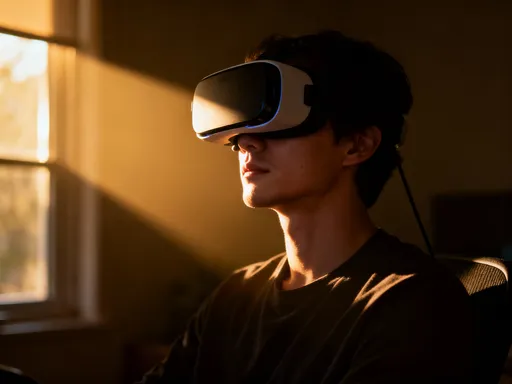
I’ll admit, my first thought about VR was video games and teenagers with headsets, shouting at zombies. I didn’t see how it could fit into my world of school pickups, laundry, and meal prep. Then a friend invited me to try a 10-minute virtual forest walk. No controllers, no missions—just a headset and a quiet room. I was skeptical, but I said yes.
The moment I put it on, something shifted. I wasn’t just looking at trees—I was in the forest. Sunlight filtered through the leaves. Birds chirped. A soft breeze rustled the branches. I could hear my own breath slow down. For the first time in weeks, my mind wasn’t racing. There were no notifications, no to-do lists, no voices calling my name. Just peace. When I took the headset off, I didn’t feel like I’d escaped reality—I felt like I’d returned to myself.
That’s when I realized VR isn’t about escaping life. It’s about resetting your brain so you can live it better. Think of it like hitting a mental pause button. In our real world, we’re constantly bombarded—phones buzzing, kids asking questions, screens flashing. Our brains never get a true break. But in a well-designed VR experience, you’re immersed in a calm, structured environment. There’s no chaos. No demands. Just presence. And that space, even for a few minutes, gives your mind room to breathe. Over time, that clarity starts to spill over into your daily choices. You don’t feel as overwhelmed. You start to trust your instincts again.
How Immersive Environments Train Your Brain
Here’s the thing I didn’t expect: VR doesn’t just relax you—it trains you. While it feels like a break, your brain is actually practicing. In immersive environments, you’re making decisions—small, low-pressure ones—but in a way that builds mental strength. It’s like going to the gym for your mind.
Imagine walking through a virtual kitchen, organizing ingredients for a recipe. You have to decide what goes where, which tool to use, how to move efficiently. There’s no real stove, no real timer, but your brain is still problem-solving. Or picture a calm crisis drill—say, a virtual power outage where you have to find flashlights and check on family members. You’re not in danger, but you’re practicing how to stay calm and make quick, clear choices under pressure.
These experiences build what scientists call cognitive flexibility—the ability to switch between tasks, adapt to new information, and make decisions without freezing up. In VR, you get to practice this in a safe, repeatable way. You can try, fail, and try again—no one’s watching, no one’s judging. And each time, your brain learns. It’s not about memorizing steps. It’s about building confidence in your ability to handle the unexpected.
I started noticing this in real life. When my daughter spilled juice on the carpet, I didn’t panic. I calmly grabbed the cleaning supplies, handled it, and moved on. When a last-minute change came up at a school event, I adjusted the plan without stress. These weren’t big wins, but they felt different. I wasn’t reacting—I was responding. And that shift? It came from those quiet minutes in VR, where my brain learned to stay calm and think clearly.
Faster Choices Without the Stress
One of the most surprising benefits was how much faster I began to decide—without the usual pressure. In VR, I’d go through scenarios like choosing a path in a virtual maze, with soft time limits and gentle feedback. No punishment for wrong turns, just encouragement to keep going. Over time, I learned to trust my gut. I stopped overthinking. I just knew which way to go.
That calm urgency started showing up in real life. At the grocery store, I’d pick a recipe and grab the ingredients without circling the aisles three times. At work, when asked to lead a small project, I said yes right away—no second-guessing. Even planning family outings felt easier. I’d suggest an idea, and if someone had a better one, we’d switch—no drama, no hesitation.
It wasn’t that I became reckless. I was still thoughtful. But I wasn’t stuck anymore. I had a new rhythm: notice the need, make a choice, move forward. No looping thoughts. No “what ifs.” Just action. And the best part? I didn’t feel rushed. I felt free. Like I’d reclaimed time and energy I didn’t even know I’d lost.
This isn’t about speed for speed’s sake. It’s about reducing the emotional weight of decisions. When you’re not constantly second-guessing yourself, you have more space for joy, for connection, for being present with your family. I found myself laughing more at dinner. Paying attention during bedtime stories. Not because I had more time—but because my mind wasn’t cluttered with old choices I hadn’t finished processing.
Building Confidence Through Safe Practice
Let’s talk about confidence—because that’s where VR really changed things for me. I’ve always been someone who worries about saying the wrong thing, especially in group settings. At school meetings or family gatherings, I’d stay quiet, even when I had ideas. I didn’t want to be judged. I didn’t want to mess up.
Then I tried a VR public speaking program. It wasn’t intense—just a small virtual room with a friendly audience. I practiced giving a short talk about a hobby I love. The first time, my voice shook. But I kept going. And here’s the magic: no one laughed. No one rolled their eyes. If I forgot a word, I paused, took a breath, and continued. I could restart as many times as I wanted. And slowly, I got better.
After a few sessions, I noticed something wild: I started speaking up in real meetings. Not in a loud or pushy way—but calmly, clearly. When the PTA needed volunteers, I raised my hand. When my sister asked for advice, I shared it without apologizing first. That quiet practice in VR had built a foundation of courage. I wasn’t faking confidence—I was earning it, one low-stakes moment at a time.
This is the hidden power of VR: it gives you a safe space to grow. You can practice anything—having a hard conversation, trying a new skill, even managing stress in a busy environment. And because there’s no real-world consequence, you’re free to be imperfect. You learn that mistakes aren’t disasters. They’re part of the process. And that mindset? It doesn’t stay in the headset. It comes with you, making you braver, kinder, and more willing to show up as yourself.
Fitting VR Into Real Life (Without Adding Stress)
Now, I know what you might be thinking: “This sounds great, but I don’t have time for another thing. And isn’t VR expensive?” I thought the same. But here’s the truth: you don’t need hours. You don’t need the fanciest gear. You just need 10 minutes and a willingness to try.
I started small—during my lunch break, or right before bed. I used a basic VR headset, the kind you can find at most electronics stores. No fancy setup. No wires. Just put it on, press play, and breathe. Some days, I’d do a guided forest walk. Other days, a simple focus exercise—like watching leaves fall in slow motion while syncing my breath to the rhythm.
The key was consistency, not duration. I didn’t aim for perfection. If I only did five minutes, that was fine. If I forgot a day, no guilt. This wasn’t another chore to check off. It was self-care. And over time, it became as natural as brushing my teeth.
You can fit this into your life too. Try a calming ocean scene while your coffee brews. Do a quick mindfulness session before the kids wake up. Use it as a wind-down ritual instead of scrolling through your phone. The goal isn’t to become a VR expert. It’s to give your brain the space it needs to function at its best. And the beautiful part? The more you do it, the less effort it feels like. It becomes a gentle habit—one that supports everything else you do.
A Clearer Mind, A Lighter Life
Looking back, I can see how those small VR moments added up to something big. It wasn’t one dramatic change. It was a quiet shift in how I moved through the world. Less hesitation. More flow. More presence. I’m not perfect—I still have busy days, messy kitchens, and moments of doubt. But now, I recover faster. I make choices with more clarity and less stress. And that makes all the difference.
This isn’t about replacing real life with virtual life. It’s about using technology to support your real, beautiful, messy life. VR became a quiet ally—a tool that helped me think better, feel calmer, and show up more fully for the people I love. It gave me back mental space, and with that space came peace. Peace to listen. Peace to choose. Peace to just be.
If you’re feeling overwhelmed by the constant demands of daily decisions, know this: it’s not you. It’s the load you’re carrying. And you don’t have to carry it all at once. Sometimes, the most powerful thing you can do is pause. Breathe. Reset. And let a little virtual calm help you live a more intentional, joyful real life. You deserve that clarity. You deserve that peace. And it might be closer than you think.