Tired of Scrambling to Find Your Boarding Pass? A Travel App That Keeps All Your Trips in One Place
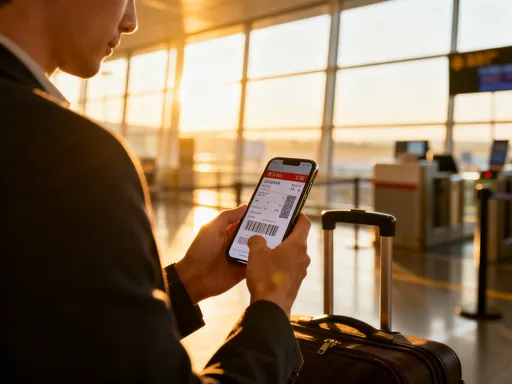
Remember that moment—running through the airport, heart pounding, one hand clutching a coffee, the other frantically flipping through emails for a confirmation code? We’ve all been there. Travel should feel exciting, not exhausting. Yet, between scattered itineraries, hotel links buried in inboxes, and rental car details lost in text threads, even short trips can become stressful. What if organizing your journeys felt as smooth as checking in? What if you could step into the terminal knowing every detail was already in place—your flight status updated, your hotel address at your fingertips, your rental car reservation confirmed? That peace of mind isn’t a fantasy. It’s possible, and it starts with one smart change.
The Chaos of Travel Planning (Before the Tech)
Let’s be honest—how many of us still treat travel prep like a scavenger hunt? You book your flight during a lunch break, save the confirmation in a folder labeled “TRAVEL MAY,” then book the hotel from your phone while helping your daughter with homework. The rental car? That confirmation ended up in spam. By the time you’re packing your suitcase, you’re digging through old texts, scrolling through email threads from three weeks ago, trying to remember which airline lets you check a bag for free. Sound familiar?
I used to do all of this—print out itineraries, highlight key details in yellow, tape boarding passes to my passport cover. It felt responsible. But then I’d lose the printout, or the ink would smudge, or I’d arrive at the airport only to realize the flight had been moved. The stress wasn’t just about being unprepared—it was the constant low-level anxiety that something would go wrong. And it often did. I missed a check-in window once because I couldn’t find the email, and the gate agent couldn’t pull up my reservation without the confirmation number. I ended up re-booking last minute at triple the price. It wasn’t just expensive—it was humiliating.
The truth is, our brains aren’t built to manage this kind of fragmented information. We’re juggling work, family, meals, appointments, and now we’re expected to be flawless travel coordinators too? It’s not that we’re disorganized—it’s that the system is broken. We’re using tools from another era to solve modern problems. Email wasn’t designed to be a travel hub. Text messages weren’t meant to store hotel addresses. Yet, that’s exactly how most of us operate. And every time we misplace a detail, we pay the price in time, money, and peace of mind.
How Information Overload Sneaks Up on Us
Think about how you book a trip now. It’s rarely a single, focused moment. It’s a series of micro-decisions made in the cracks of your day. You compare flight prices while waiting for a meeting to start. You click “Book Now” on a vacation rental during your son’s soccer practice. You reserve a rental car between loading the dishwasher and folding laundry. Each piece of information gets saved wherever is easiest in that moment—email, notes, texts, browser bookmarks. None of it is connected. None of it talks to each other.
And then life moves on. The kids get sick. Work gets busy. You forget to forward that hotel confirmation to your spouse. The rental car company sends a reminder, but it lands in your spam folder. By the time you’re at the airport, you’re not thinking about the adventure ahead—you’re stressed about whether you have everything you need. The excitement of travel gets buried under a pile of digital clutter.
This isn’t just inconvenient—it’s emotionally draining. Every time you have to hunt for a reservation, it chips away at your confidence. You start to doubt yourself. “Did I miss something? Did I forget the check-in time? Is the hotel close to the airport?” These small uncertainties add up. They turn what should be joyful anticipation into low-grade dread. And the saddest part? This doesn’t have to happen. The technology exists to make it better. We just haven’t been using it the right way.
Enter the Smart Travel Organizer: What It Actually Does
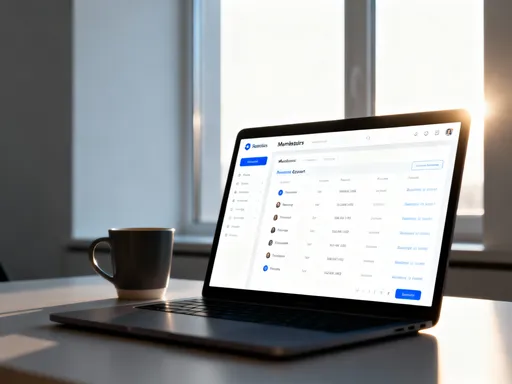
Imagine this: you book a flight from your laptop, a hotel from your phone, and a rental car from a tablet. Within minutes, all three reservations appear in one place—organized, labeled, and easy to read. No forwarding emails. No saving screenshots. No typing anything in. That’s what a smart travel organizer app does. It works quietly in the background, scanning your email and calendar for travel-related messages and pulling them into a single, clean dashboard.
Think of it like a digital filing cabinet that sorts itself. It knows that a message from Delta with a confirmation number is a flight. It recognizes that an Airbnb receipt means you’ve got a place to stay. It pulls in car rentals, train tickets, event reservations—anything that involves travel. And it doesn’t just store them—it organizes them by trip, by date, by destination. You can tap on one trip and see everything: flight times, gate numbers, hotel address, check-in instructions, even Wi-Fi passwords if they’re in the email.
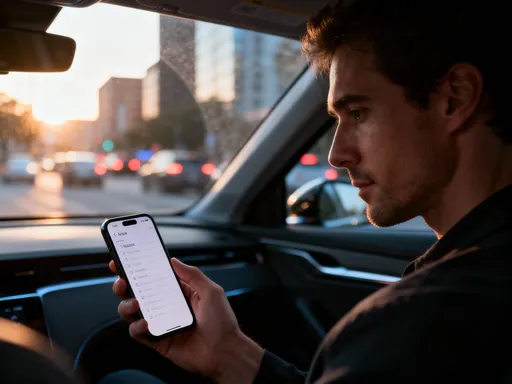
But it doesn’t stop there. The app sends you smart reminders—like “Your flight boards in 2 hours” or “Don’t forget your passport!”—so you’re never caught off guard. Some even update in real time if your flight is delayed or your gate changes. And because everything is stored securely in the cloud, you can access it from any device, even if your phone dies. No more panic. No more last-minute searches. Just clarity.
The best part? It’s not complicated. You don’t need to be tech-savvy to use it. You don’t have to learn a new system or spend hours setting it up. It’s designed for real life—busy, messy, unpredictable life. It’s not about showing off features. It’s about giving you back your time, your energy, and your peace of mind.
Real-Life Transformation: From Panic to Peace of Mind
Meet Sarah. She’s a mom of two, a project manager, and a frequent traveler for work. A year ago, her travel days looked like this: wake up early, check email for updates, print out boarding passes, text her husband the hotel address, double-check the rental car reservation, pack her bag, and leave—only to realize at the airport that she’d forgotten her ID at home. She missed her flight. It cost her a day of work and a night in a hotel she didn’t want.
She was done. She downloaded a travel organizer app on a friend’s recommendation. At first, she was skeptical. “Another app?” she thought. “More notifications? More clutter?” But within a week, she was hooked. Her next business trip, she opened the app the night before and saw everything laid out: flight details, hotel check-in time, even the shuttle schedule from the airport. She got a reminder the morning of her flight: “Boarding starts in 90 minutes. Traffic is light—leave now.” She arrived relaxed. She checked in with her phone. No stress. No panic.
“I used to dread travel days,” she told me. “Now, I just open the app and go. It’s like having a personal assistant who never sleeps.” She’s not alone. I’ve heard this story over and over—from moms planning family vacations, from retirees exploring Europe, from students studying abroad. The pattern is the same: before the app, travel was a source of stress. After, it became something to look forward to.
And it’s not just about convenience. It’s about confidence. When you know your information is safe, organized, and accessible, you feel in control. You walk into the airport like you belong there—because you’re prepared. That shift in mindset changes everything. You’re not just surviving the trip. You’re enjoying it from the very first step.
More Than Convenience: How It Changes Your Relationship with Travel
Here’s what no one talks about: when logistics are handled, you actually start to enjoy the journey again. You’re not so focused on the details that you miss the experience. You can look out the window and admire the view instead of staring at your phone, searching for a confirmation code. You can laugh with your kids in the backseat instead of arguing about whether you’re going the right way to the hotel.
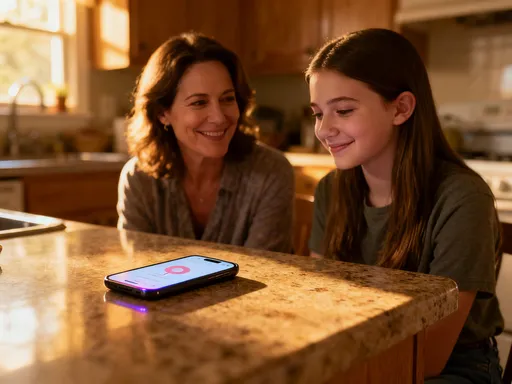
Families tell me they arrive at their destinations feeling rested, not frazzled. One mom said, “We used to spend the first day of vacation unpacking stress. Now, we spend it unpacking suitcases.” That’s powerful. When you’re not drained by the process, you have energy for the moments that matter—watching your daughter see the ocean for the first time, sharing a quiet coffee with your husband in a foreign city, taking a solo walk through a new neighborhood.
And for solo travelers, the peace of mind is even greater. Knowing that your documents are backed up, that you can access your itinerary even if your phone is lost, that someone back home can see your plans if needed—it’s not just convenient. It’s empowering. It lets you take risks, explore more, say yes to opportunities—because you’re not carrying the weight of disorganization.
This isn’t just about saving time. It’s about reclaiming your emotional energy. Every minute you don’t spend searching for an email is a minute you can spend breathing deeply, connecting with loved ones, or simply being present. And that, more than anything, is what travel is supposed to be about.
Getting Started: Simple Steps to Organize Your Travel Life
If this sounds good to you—and I hope it does—here’s how to get started. First, pick a trusted travel organizer app. Look for one that’s easy to use, has good reviews, and prioritizes security. You’ll want end-to-end encryption, so your data stays private. Most major apps offer this, so don’t skip this step.
Next, connect your email and calendar. This is usually as simple as signing in with your Google or Apple account. The app will ask for permission to scan your inbox for travel confirmations. Say yes. It only reads messages that look like bookings—flights, hotels, cars—and it doesn’t store your emails. It just pulls out the key details.
Then, let it work. Within minutes, you’ll start seeing your trips appear. You might be surprised how many old bookings it finds—trips you’d forgotten about, reservations you thought were lost. You can clean those up, keep what you need, and archive the rest.
Finally, set up reminders. Choose what matters to you: boarding time, check-in deadlines, passport expiration, even packing lists. Some apps let you share your trip with family or friends, so they know your plans and can check in if needed. It’s a small feature, but it brings big comfort.
That’s it. No complicated setup. No tech expertise. Just a few minutes today to save hours—and stress—down the road. And once it’s running, it’s practically invisible. It just works, quietly making your life easier.
The Bigger Picture: Tech That Truly Serves You
Here’s what I’ve learned after years of writing about technology and real life: the best tools don’t demand our attention—they give it back. They don’t add to the noise—they help us find the calm. And they don’t make us feel behind—they help us feel ahead.
A smart travel organizer isn’t just an app. It’s a philosophy. It’s the belief that technology should adapt to us, not the other way around. It should work with our messy lives, our busy schedules, our imperfect memories. It should be there when we need it, and fade into the background when we don’t.
And when it does that—when it removes friction, reduces stress, and restores joy—we’re free to focus on what really matters. Not the logistics. Not the details. But the laughter in a new city. The quiet moment watching a sunrise from a hotel balcony. The hand of your child in yours as you step into a new adventure.
Travel is about connection. To places. To people. To ourselves. And when technology helps protect that experience—instead of getting in the way—it becomes something truly valuable. Not just smart. But wise. Not just useful. But meaningful.
So the next time you book a trip, don’t just think about the destination. Think about the journey. And give yourself the gift of peace of mind—because you’ve earned it. You’re not just organizing your travel. You’re designing a calmer, more intentional life. One trip at a time.