From Chaos to Calm: How One Streaming Habit Transformed Our Family Time
You know that feeling—dinner’s over, kids are bouncing off the walls, and everyone’s glued to their own screen? We were there too. Weekends blurred into arguments over what to watch, and family time felt like a lost cause. Then we tried something simple: using online video platforms together, not just side by side. It wasn’t about fancy tech—it was about connection. This is how one small shift brought us closer, calmed the chaos, and gave us back something priceless: real, shared moments. And if you’re wondering whether your family can find that same calm, I’m here to tell you—yes, you absolutely can.
The Screen-Time Struggle: When Entertainment Pulls Families Apart
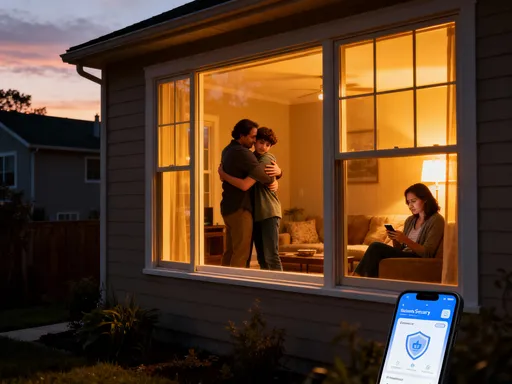
Let’s be honest—most of us didn’t grow up expecting screens to be the centerpiece of family life. But somewhere between bedtime stories and math homework, our living rooms turned into digital battlegrounds. I remember nights when my daughter was curled up with a tablet on the couch, my son had headphones on in his room watching clips, and I was scrolling through my phone, half-listening to a podcast while folding laundry. My husband? He was on the recliner, catching up on a documentary. We were all in the same house, but it felt like we were living in separate worlds.
It wasn’t that we didn’t care. We were just… busy. And tired. And screens offered instant comfort—something to zone out to, to escape the day’s chaos. But over time, I started noticing the quiet cost. The jokes stopped. The conversations dried up. We’d go days without really seeing each other. I’d ask, “How was your day?” and get a shrug or a one-word answer. We were surrounded by entertainment, yet starved for connection.
Research backs this up—studies show that passive, isolated screen time can weaken emotional bonds, especially in families. When we’re not sharing experiences, we’re not building memories. And without those shared moments, it’s harder to feel like a team. I realized we weren’t just losing time—we were losing the sense of us. The idea that we were a unit, a family, a little tribe that faced the world together. That realization hit me hard. And it made me wonder: what if we didn’t have to give up screens—but instead, use them differently?
A Simple Shift: Turning Solo Viewing into Shared Rituals
The change didn’t come from banning devices or guilt-tripping anyone into putting their phone down. It came from flipping the script on how we used technology. Instead of seeing screens as the enemy of family time, we started seeing them as a tool—something that could actually bring us together. The turning point? One rainy Saturday when nothing was on TV, the kids were bickering, and I blurted out, “Hey, let’s all watch something together. Like, for real. No phones. Just us.”
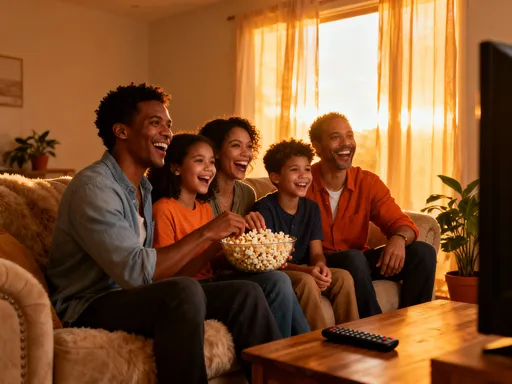
I won’t lie—there was eye-rolling. My son groaned. My daughter asked if she could at least bring her tablet “just in case.” But I held my ground. We picked a lighthearted animated movie we’d all seen bits of but never finished. I made popcorn. We turned off the lights. And something shifted. Not dramatically at first—but by the middle of the film, we were all laughing at the same jokes. My husband mimicked a character’s voice. My daughter snuggled into my side. My son actually put his phone on the coffee table and didn’t touch it.
That night wasn’t perfect. The movie wasn’t groundbreaking. But the feeling was. For the first time in weeks, we were present. Together. Connected. And it wasn’t because we’d done anything fancy—it was because we’d made a choice. A small, intentional decision to use tech not to escape each other, but to enjoy each other. That one night sparked something. We started talking about doing it again. And then again. What began as an experiment became a habit. And that habit became something we all looked forward to.
Creating a Family Watchlist: The Power of Shared Decisions
One of the biggest frustrations before our shift was the endless scrolling. You know the scene: someone picks up the remote, everyone gathers, and then—“What do you want to watch?” “I don’t know, what do you want to watch?” Five minutes later, no decision is made, tempers flare, and someone storms off. Sound familiar? We were stuck in that loop too—until we created a family watchlist.
It started simply. We opened a shared list on our streaming platform—something everyone could access from their devices. Whenever someone found a show or movie they thought the family might enjoy, they added it. No pressure. No debates in the moment. Just a growing collection of possibilities. My daughter added a sweet animated series about a talking dog. My son found a quirky nature documentary with funny narration. I tucked in a nostalgic comedy from my childhood. My husband added a travel show that took us to places we dreamed of visiting.
The magic wasn’t just in the content—it was in the process. Adding to the list became a little daily ritual. The kids would come to me and say, “Mom, I found something for the list!” It gave them a voice. A sense of ownership. And when it came time to pick something to watch, we had options—no more blank-staring into the streaming void. We even started voting on weekend picks. Sometimes we’d do themed nights—“Adventure Saturday” or “Feel-Good Sunday.” The watchlist took the stress out of choosing and turned it into something fun, something we did together, even when we weren’t watching.
And here’s the unexpected bonus: it sparked conversations. “Why did you add this?” “Oh, it reminded me of that trip we took!” “That actor is in another show I love!” The list became a mirror of our interests, our memories, our personalities. It wasn’t just about what we watched—it was about who we were as a family.
Scheduling Screen Time That Strengthens, Not Steals, Connection
Here’s a truth I’ve learned: if you don’t protect your family time, it will get stolen. By homework. By chores. By last-minute plans. By the endless scroll. That’s why we started scheduling our shared viewing—just like we’d schedule a doctor’s appointment or a school pickup. We picked two anchors: Friday night after dinner and Sunday afternoon before bedtime. These weren’t suggestions. They were commitments.
We added them to the family calendar—digital and physical. I set a reminder on my phone. The kids knew—Friday meant pajamas, snacks, and a movie. Sunday meant cozy blankets and a show while the house settled down. At first, it felt a little rigid. “Do we have to watch something?” But within weeks, it became something we all counted on. Something comforting. Predictable. Safe.
We also linked it to little traditions. Friday nights meant homemade popcorn with different seasonings—cheese one week, caramel the next. Sunday afternoons meant tea for me, hot chocolate for the kids, and sometimes a simple board game before or after the show. These weren’t grand gestures—they were small rituals that made the time feel special. And by protecting it, we sent a message: this matters. We matter.
The structure didn’t kill the spontaneity—it gave it room to breathe. Because we had our anchors, we could still have impromptu movie nights when someone had a bad day or it poured rain on a Tuesday. But having the routine meant we never lost momentum. We weren’t waiting for the “perfect moment”—we’d built it into our lives.
Tech as a Connector, Not a Crutch: Balancing Use with Presence
Let’s be real—just because you’re in the same room doesn’t mean you’re connected. I’ve been in homes where everyone is watching the same show but no one is talking. Phones are out. Heads are down. It’s togetherness in name only. That’s why we set a few simple rules to keep us present. No phones during family viewing—yours or theirs. We put them in a basket by the door. If someone had to check something urgent, they could step out, but the show paused while they did.
We also started pausing the screen to talk. Not all the time—but sometimes. “Did you see that?” “Can you believe she said that?” “Remember when we did something like that?” Those little interruptions became some of our best conversations. One night, during a show about a family road trip, my son said, “That reminds me of when we got lost going to Grandma’s.” And just like that, we were off—laughing about the wrong turns, the gas station snacks, the song we played on repeat. The show became a doorway into our own memories.
We didn’t do this perfectly. Some nights, someone dozed off. Others, we argued over the volume. But the goal wasn’t flawless execution—it was presence. It was choosing, again and again, to be in the moment with each other. And over time, that choice became a habit. The screens were still there—but they weren’t in charge. We were.
From Boredom to Belonging: How Shared Stories Build Family Identity
Something amazing happens when you watch the same stories together, over and over. They become part of your family’s DNA. Lines from favorite shows turn into inside jokes. Characters feel like extended family. My daughter still says, “That’s not a snack, that’s a meal!” in a silly voice—quoting a cartoon we love. When someone’s having a tough day, we’ll say, “You’ve got this—just like the brave fox in the forest!”
These aren’t just quotes—they’re touchstones. Shared language that reminds us we’re on the same team. And during harder times—when someone was sick, or stressed about school, or we were adjusting to a change—re-watching a comforting show became a kind of emotional anchor. It wasn’t about the plot. It was about the feeling. The safety. The knowing that we were all there, together, in the same space, wrapped in a story we loved.
Those repeated viewings built something deeper than entertainment. They built belonging. A sense that no matter what was happening in the world, we had this. We had our rituals. Our jokes. Our way of being together. And that sense of identity—that we were a family who laughed, who cared, who showed up for each other—started to spill into the rest of our lives. We became more patient. More connected. More us.
Making It Last: Simple Systems That Keep the Magic Alive
The truth is, even the best habits can fade if they’re not supported. That’s why we built in simple systems to keep our shared viewing alive—not as a chore, but as a joy. One of the easiest? Rotating who picks the show. Each week, a different family member gets to choose. It’s fair. It gives everyone a turn. And it’s surprising how much excitement builds when it’s someone’s “turn.” My son spends days thinking about his pick. My daughter makes little trailers on her tablet to hype it up.
We also started a “watch again” jar. Whenever we finish a show or movie we especially love, we write it on a slip of paper and drop it in. On tough days or when we can’t decide, we pull one out. It’s like a comfort menu. And sometimes, we link our viewing to seasons or holidays—watching a cozy winter film when the first snow falls, or a silly summer show on the first day of vacation. These small rituals make it feel meaningful, not mechanical.
Most importantly, we keep it light. We don’t force it. If someone’s not in the mood, we adjust. If we’re running late, we shorten it. The goal isn’t perfection—it’s connection. And by making it easy, flexible, and fun, we’ve turned what started as a tech fix into a lasting family rhythm. It’s not about the screens. It’s about what happens in the space around them—laughter, stories, silence, togetherness. It’s about building a home where everyone feels seen, heard, and loved.
So if you’re sitting there, looking at your family scattered across the room, each lost in their own screen, I want you to know—there’s another way. You don’t have to throw out the devices. You don’t have to become a screen-free purist. You just have to shift your focus. Use tech not to fill time, but to create it. To make space for shared glances, for silly quotes, for moments that stick. Because in the end, it’s not about how much you watch—it’s about how much you’re together. And that? That’s the real magic.