Pouring Profits: Can Wine Really Age Into Returns?
Ever wondered if that dusty bottle in your cellar could be worth more than a toast? I once brushed off wine as just a dinner companion—until I saw how quiet collectors were cashing in. Turns out, fine wine isn’t just about taste; it’s a play on time, rarity, and market shifts. But here’s the real question: can you actually bank on it without getting corked by risk? Let’s unpack how some investors are turning vintages into value—carefully.
The Allure of Liquid Assets: Why Wine Draws Investors
Wine has long been more than a beverage—it’s a cultural artifact, a symbol of celebration, and increasingly, a financial instrument. Over the past two decades, fine wine has emerged as a recognized alternative asset class, attracting attention from both seasoned investors and curious newcomers. Unlike stocks or bonds, wine offers a tangible, aesthetic appeal while simultaneously functioning as a store of value. Its appeal lies in its low historical correlation with traditional financial markets, meaning it often moves independently of stock market swings. This characteristic makes it an attractive tool for portfolio diversification, particularly during periods of economic uncertainty or inflation.
One of the primary drivers behind wine’s investment appeal is scarcity. The finest wines are produced in limited quantities, often from small, family-owned estates with generations of winemaking heritage. When demand exceeds supply—a common scenario for vintages from top regions like Bordeaux, Burgundy, or Napa Valley—prices naturally rise over time. This dynamic is amplified by the fact that wine is a consumable asset; once a bottle is opened, it’s gone. Unlike gold or real estate, which can be preserved indefinitely, the finite nature of wine adds urgency to collecting and investing. Each passing year reduces the number of pristine bottles available, increasing the value of those that remain in optimal condition.
Another factor is provenance—the documented history of a wine’s storage and ownership. A bottle’s journey from vineyard to cellar can significantly impact its market worth. Wines with clear, unbroken provenance from reputable sources command higher prices because buyers trust their authenticity and condition. This emphasis on traceability has led to greater transparency in the market, with auction houses and specialized platforms now requiring detailed documentation before listing bottles for sale. Provenance isn’t just about paperwork; it’s about trust, and in a market where fakes and fraud exist, trust is currency.
Yet, beyond the numbers and logistics, there’s an emotional dimension to wine investing. Many people are drawn to it not only for potential returns but also for the pleasure of ownership. Holding a bottle from a legendary vintage or a storied château connects the investor to history, craftsmanship, and tradition. This blend of financial and emotional reward sets wine apart from more sterile investment options. However, it’s important to distinguish between collecting for passion and investing for profit. While the two can coexist, conflating them can lead to poor decision-making—such as overpaying for a beloved label or holding onto underperforming bottles out of sentimentality. The most successful wine investors balance appreciation with analysis, treating each purchase as both an asset and a responsibility.
What Actually Makes a Bottle Investable?
Not all wines are created equal when it comes to investment potential. In fact, only a small fraction of the world’s wine production ever gains significant appreciation. The key to identifying which bottles might increase in value lies in understanding a combination of objective quality markers and market dynamics. First and foremost is producer reputation. Wines from established, critically acclaimed estates—such as Château Lafite Rothschild, Domaine de la Romanée-Conti, or Screaming Eagle—have a proven track record of performance at auction and in private sales. These names carry weight because they consistently produce high-quality wines that age well and maintain strong demand over time.
Vintage quality is another critical factor. The weather conditions during the growing season profoundly affect grape development, which in turn influences a wine’s structure, balance, and longevity. Exceptional vintages—those marked by ideal temperatures, sufficient rainfall, and a long, dry harvest period—tend to produce wines with the concentration and acidity needed to evolve gracefully over decades. Over time, these vintages become benchmarks, sought after by collectors and investors alike. Critics such as Robert Parker, Jancis Robinson, and the Wine Spectator play a pivotal role in shaping perceptions of vintage quality through their scoring systems, with wines scoring 95 points or higher often seeing stronger market interest.
Bottle format also influences investment potential. While standard 750ml bottles are the most common, larger formats like magnums (1.5 liters), double magnums, and imperials can command premium prices. These larger bottles are prized not only for their ceremonial presence but also for their slower aging process. Because they have a lower ratio of air to wine inside the bottle, they tend to mature more evenly and can preserve freshness longer than standard bottles. As a result, they are often considered more desirable for long-term investment, especially when sourced in original wooden cases with intact labels and provenance.
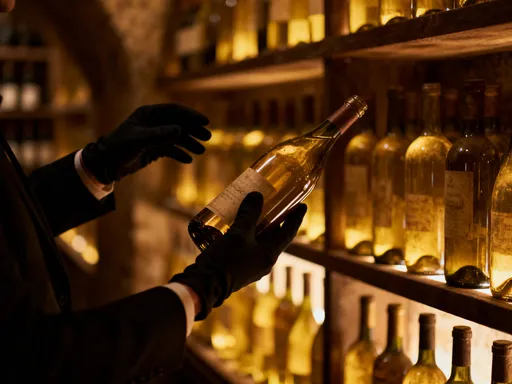
Equally important is storage history. A wine may come from a top producer, a great vintage, and have a perfect score, but if it has been stored improperly—exposed to heat, light, or vibration—it will lose value rapidly. Temperature fluctuations can cause the cork to expand and contract, allowing oxygen to seep in and spoil the wine. Similarly, prolonged exposure to ultraviolet light can degrade organic compounds in the wine, leading to premature aging or off-flavors. This is why investors place such emphasis on condition reports and professional storage records. A wine’s physical state is as crucial as its pedigree; without proper care, even the most prestigious bottle becomes little more than a souvenir.
From Cellar to Sale: Mapping the Wine Investment Journey
The path from purchasing a wine to realizing a return is rarely straightforward. It begins with acquisition, where investors must decide whether to buy en primeur (before the wine is bottled), at retail, or through secondary markets like auctions. En primeur purchases, common in Bordeaux, allow buyers to secure highly sought-after wines at release prices, often below their future market value. However, this approach requires confidence in both the vintage and the producer, as well as patience—wines bought en primeur may not be delivered for 18 to 24 months and are typically intended for long-term holding.
Once acquired, the wine must be authenticated and documented. Reputable dealers provide certificates of authenticity, original packaging, and detailed provenance records. These documents serve as the foundation of trust in the resale market. Investors who source bottles privately must exercise extra caution, often relying on third-party verification services to confirm legitimacy. Some platforms now offer blockchain-based tracking, which logs every transfer of ownership and storage condition, adding another layer of security and transparency.
Storage follows immediately after acquisition. Whether using a private cellar or a professional facility, maintaining stable conditions is essential. Investors must ensure consistent temperature (ideally between 55°F and 59°F), humidity levels around 70%, and protection from light and vibration. These factors collectively determine whether the wine ages gracefully or deteriorates prematurely. Many investors opt for bonded warehouses or specialized storage providers that offer climate-controlled environments, insurance, and inventory management. These services not only protect the asset but also enhance its resale value by providing verifiable storage history.
The final stage is exit strategy—deciding when and how to sell. Liquidity in the wine market is relatively low compared to equities or bonds. Selling a bottle can take weeks or even months, depending on demand and market conditions. Auction houses like Sotheby’s, Christie’s, and Zachys are popular venues for high-value sales, offering global reach and buyer credibility. Private sales through brokers or online platforms provide more control over pricing and timing but may require more effort to find qualified buyers. Regardless of the method, timing matters. Market trends, economic cycles, and shifts in collector preferences can all influence when a wine achieves peak value. Successful investors monitor these variables closely, treating the sale as a strategic decision rather than an emotional one.
Risks Lurking in the Bottle: What Can Go Wrong?
Despite its allure, wine investing is not without pitfalls. One of the most significant risks is market volatility. While fine wine has shown strong long-term appreciation in aggregate, individual vintages and producers can experience sharp price swings. A wine that soars in value for several years may suddenly decline due to changing tastes, oversupply, or negative critical reviews. For example, a shift in consumer preference toward lighter, more natural wines could reduce demand for heavily extracted, oak-aged styles that once dominated the market. These shifts are difficult to predict and can catch even experienced investors off guard.
Fraud is another persistent concern. The wine market has seen cases of counterfeit bottles, relabeled labels, and fake provenance documents. High-value wines are particularly vulnerable, as the profit margin for forgery can be substantial. In some instances, entire collections have been exposed as fraudulent after being sold for millions. While authentication technology has improved, including UV analysis, label forensics, and database comparisons, the risk remains. Investors must work with trusted sources and avoid deals that seem too good to be true—such as rare bottles offered at unusually low prices.
Storage failure is perhaps the most preventable yet common cause of value loss. Even minor lapses in temperature control or humidity can compromise a wine’s integrity. A bottle stored in a garage or attic, where temperatures fluctuate dramatically, is unlikely to retain its quality over time. Similarly, bottles stored upright for long periods may suffer from dried-out corks, allowing air to enter and oxidize the wine. These issues are not always visible from the outside, making them especially dangerous. A wine may look pristine but be undrinkable—and therefore worthless—once opened. This underscores the importance of professional storage and regular condition checks.
Additionally, wine investing requires a long time horizon. Unlike stocks that can be sold within seconds, wine typically needs 10 to 15 years or more to appreciate meaningfully. This illiquidity means investors must be prepared to tie up capital for extended periods. There is also no guarantee of return; some bottles may never increase in value, and others may depreciate. Emotional attachment can cloud judgment, leading investors to hold onto underperforming assets longer than rational analysis would suggest. Recognizing when to cut losses is as important as knowing when to buy.
Storage Secrets: Preserving Value One Degree at a Time
The difference between a valuable vintage and a vinegar-like disappointment often comes down to storage. Temperature is the single most critical factor. Wines age best at a consistent, cool temperature—ideally between 55°F and 59°F (13°C to 15°C). Temperatures above this range accelerate chemical reactions inside the bottle, causing the wine to mature too quickly and lose complexity. Below this range, aging slows excessively, and extremely cold conditions can cause corks to contract, allowing air ingress. Fluctuations are even more damaging than a slightly incorrect average temperature, as repeated expansion and contraction stress the seal and promote oxidation.
Humidity levels should be maintained around 70%. Too low, and corks dry out, shrinking and allowing oxygen to enter. Too high, and mold can develop on labels and wooden cases, which may not affect the wine directly but can reduce its marketability. Collectors and auction houses place great value on pristine packaging, so visible damage can significantly lower resale value. Proper humidity also helps preserve the integrity of the cork, ensuring a tight seal over decades of aging.
Vibration is another often-overlooked threat. Constant movement—such as that caused by nearby machinery, foot traffic, or even loud music—can disturb the sediment in aging wine and interfere with the slow, stable evolution of its components. While the exact impact of vibration is still debated, most experts agree that minimizing it is prudent, especially for long-term storage. This is why professional facilities are typically located in quiet, underground spaces with minimal external disturbance.
Light exposure, particularly ultraviolet (UV) radiation, can degrade phenolic compounds in wine, leading to off-flavors and premature aging. This is why most wine bottles are made of dark green or brown glass—to filter out harmful rays. However, prolonged exposure to direct sunlight or fluorescent lighting can still cause damage, especially in clear or light-colored bottles. For this reason, wines should be stored in dark environments, away from windows and artificial light sources.
Given these precise requirements, many investors choose third-party storage over private cellars. Professional facilities offer climate-controlled vaults, 24/7 monitoring, insurance coverage, and secure access. They also provide inventory tracking and condition reporting, which add credibility when selling. Some even integrate with auction platforms, streamlining the resale process. While these services come at a cost, they are often justified by the protection they offer. For serious investors, professional storage isn’t an expense—it’s a necessary investment in preserving value.
The Role of Experts and Platforms: Who to Trust?
Navigating the wine investment landscape can be daunting, especially for those new to the market. This is where experts and specialized platforms play a crucial role. Reputable brokers and consultants bring deep knowledge of producers, vintages, and market trends. They can help investors identify undervalued opportunities, verify authenticity, and avoid common pitfalls. Many also have access to private sales networks and pre-auction offerings, giving clients early entry to desirable lots.
Auction houses serve as both marketplaces and validators. Houses like Sotheby’s and Christie’s employ teams of wine specialists who authenticate, catalog, and appraise collections. Their endorsements carry weight, and wines sold through these channels often achieve higher prices due to buyer confidence. However, auction fees—both buyer’s and seller’s premiums—can be substantial, sometimes totaling 20% or more of the hammer price. Investors must factor these costs into their return calculations.
Digital platforms have democratized access to wine investing. Online marketplaces such as Wine-Searcher, Vinovest, and Cult Wines allow investors to research prices, track performance, and even purchase fractional shares in high-end bottles. These platforms use data analytics to recommend portfolios based on risk tolerance and investment goals. Some offer automated rebalancing and professional storage as part of their service. While they lower the barrier to entry, they also require due diligence—investors should assess platform reputation, fee structures, and transparency before committing funds.
Wine funds and investment syndicates represent another avenue. These pooled vehicles allow multiple investors to share ownership of a curated portfolio of fine wines. Managed by professionals, they offer diversification across regions, vintages, and styles, reducing the risk associated with individual bottle selection. Returns are generated through capital appreciation and eventual sale, typically after a 5- to 10-year horizon. While they remove the need for personal storage and authentication, they also involve management fees and less direct control over holdings. As with any fund, performance varies, and past results do not guarantee future outcomes.
Building a Balanced Approach: Wine in the Broader Portfolio
Wine should not be viewed as a standalone investment but as one component of a diversified financial strategy. Most financial advisors suggest allocating no more than 5% to 10% of a portfolio to alternative assets like wine, art, or collectibles. This limitation reflects both the illiquidity and specialized knowledge required. While fine wine has delivered strong returns over the long term—some indexes showing annualized gains of 8% to 10% over the past two decades—these figures represent broad market trends, not individual guarantees.
Investors must also consider opportunity cost. Capital tied up in wine could otherwise be invested in stocks, bonds, or real estate, which offer greater liquidity and more predictable returns. The emotional satisfaction of owning a rare bottle should not overshadow the practical realities of yield, access, and risk. Patience is essential; wine investing rewards those who can wait decades for results, resisting the urge to react to short-term market noise.
Education is equally important. Successful investors spend time learning about regions, producers, and vintages. They follow market reports, attend tastings, and consult experts. They understand that knowledge compounds over time, just like a well-aged Bordeaux. Emotional biases—such as favoring a favorite region or holding onto a sentimental bottle—must be managed carefully. Objectivity, discipline, and continuous learning are the true foundations of success.
In the end, wine investing is not for everyone. It requires a unique blend of passion, patience, and prudence. For those who approach it thoughtfully, it can offer both financial reward and personal fulfillment. But the greatest return may not be measured in dollars—it’s the confidence that comes from making informed, deliberate choices in a complex and captivating market. As with any investment, the goal is not to chase every trend, but to build something enduring, one carefully chosen bottle at a time.