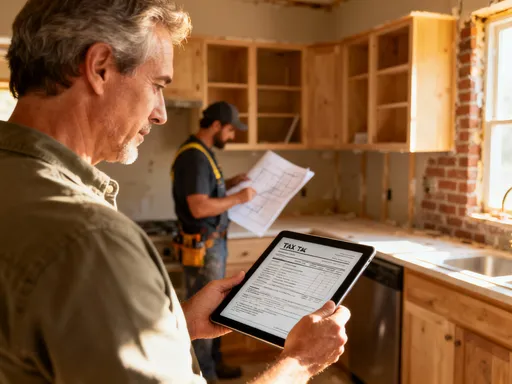
How I Smartened Up My Renovation Budget with Tax Smarts
So you’re ready to renovate—new kitchen, maybe a bathroom overhaul—but the budget feels tight. What if I told you there’s a way to free up cash without cutting corners? It’s not magic; it’s tax optimization. I learned this the hard way, overpaying taxes while sitting on overlooked deductions. Once I adjusted my approach, thousands stayed in my pocket—cash that went straight into my home upgrade. This isn’t about loopholes or risky moves. It’s practical, legal, and surprisingly simple. Let me walk you through how smart tax planning can power your renovation dreams.
The Renovation Reality Check: Where Does the Money Go?
Home renovations are exciting. They promise comfort, beauty, and long-term value. But behind every dream kitchen or serene bathroom lies a sobering truth: the cost. For many families, especially those led by women managing household finances, the numbers can be daunting. A mid-range kitchen remodel in the U.S. can easily exceed $40,000, while even a modest bathroom renovation often climbs past $15,000. These figures don’t include the hidden costs—permits, design changes, or unexpected structural repairs—that routinely push budgets over the edge.
The emotional toll is just as real. There’s the stress of choosing materials, coordinating contractors, and living through the chaos of construction. But deeper still is the anxiety about money. Will this project force us into debt? Can we afford quality, or will we have to settle for cheaper, less durable options? Many homeowners respond by dipping into savings, taking out home equity loans, or using credit cards—each of which carries its own risks. What’s often missing from the conversation is a third option: rethinking how existing income is managed, particularly when it comes to taxes.
Tax optimization doesn’t sound exciting next to new countertops or underfloor heating. But it’s a powerful tool hiding in plain sight. Most people treat taxes as a once-a-year obligation—something to endure in April. Yet, the decisions made throughout the year directly impact how much cash is available when it’s needed most. By aligning tax planning with life goals like home improvement, families can unlock funds without increasing debt. The money was already yours; it just never made it into your pocket. Recognizing this shift—from passive taxpayer to active financial planner—is the first step toward smarter spending.
Tax Optimization Demystified: Not Just for Accountants
Tax optimization sounds complex, even intimidating. It brings to mind accountants in suits, spreadsheets full of numbers, and legal jargon that feels out of reach. But at its core, tax optimization is simply about using the tax code to your advantage—legally and responsibly. It’s not about hiding income or fudging numbers. That’s tax evasion, which is illegal and carries serious consequences. Tax optimization, on the other hand, is about making informed choices that reduce your tax burden while staying fully compliant with the law.
Consider this: the tax system is designed with incentives. It rewards certain behaviors—like investing in retirement, installing energy-efficient windows, or running a home-based business—by offering deductions or credits. These aren’t loopholes; they’re built-in features. When you claim them, you’re not cheating the system—you’re using it as intended. The problem is, many people miss these opportunities because they assume they don’t qualify or don’t know they exist. Others wait until tax season to think about it, when the best decisions should have been made months earlier.
Take timing, for example. If you receive a year-end bonus, that extra income could push you into a higher tax bracket. But if you know it’s coming, you might increase your retirement contributions or adjust your payroll withholdings to offset the impact. Similarly, if you’re planning a large expense—like a home renovation—timing the purchase to align with tax-saving strategies can make a real difference. This isn’t about gaming the system. It’s about planning ahead, understanding how the pieces fit together, and making choices that serve your financial goals. You don’t need an accounting degree. You need awareness and a willingness to think ahead.
Home Improvements and the Tax Code: What You Can Actually Claim
One of the most common misconceptions about taxes and home renovations is that any upgrade can be deducted. Unfortunately, that’s not true. The IRS generally considers most home improvements as personal expenses, which are not tax-deductible. However, there are specific categories where the tax code does offer relief. Knowing the difference between a repair, an improvement, and a modification for medical or business purposes is key to unlocking potential savings.
Energy-efficient upgrades are one of the most accessible areas for tax benefits. Installing solar panels, high-efficiency windows, or qualifying insulation can make you eligible for federal tax credits. These credits are particularly valuable because they reduce your tax bill dollar for dollar, unlike deductions, which only reduce your taxable income. While exact credit amounts and eligibility rules change over time, the principle remains: the government encourages homeowners to invest in sustainability, and it’s willing to share the cost. Keeping detailed receipts and manufacturer certifications is essential to support any claim.
Another legitimate category is home office modifications. If you work from home and use a dedicated space exclusively for business, certain renovations to that area may be deductible. For example, improving lighting, adding built-in shelving, or upgrading HVAC for your home office could qualify as business expenses. The key is exclusivity and regular use. A room that doubles as a guest bedroom won’t qualify. But if you’ve converted a spare room into a true workspace, the IRS allows a portion of related costs to be claimed, either through the simplified method or actual expense tracking.
Medical necessity improvements are another exception. If a renovation is made primarily for medical reasons—such as installing a wheelchair ramp, widening doorways, or adding grab bars in a bathroom—it may be considered a deductible medical expense. This applies only if the primary purpose is to alleviate a diagnosed medical condition, not simply for convenience or resale value. Documentation from a healthcare provider can strengthen such claims. While these situations are more personal, they highlight how thoughtful planning can align health, home, and financial well-being.
Timing Is Everything: Aligning Renovations with Tax Strategy
Timing is one of the most powerful yet underused tools in personal finance. When it comes to home renovations, the calendar can be your ally. The tax year doesn’t have to be arbitrary—it can be a strategic framework for decision-making. By planning when to incur expenses, you can influence your taxable income and potentially lower your tax bill. This isn’t about rushing a project or compromising on quality. It’s about making intentional choices that align with your financial rhythm.
For instance, if you expect a higher income in a given year—due to a promotion, bonus, or freelance work—it might make sense to accelerate certain renovation expenses into that year. Why? Because deductions have more value when you’re in a higher tax bracket. A $10,000 home office upgrade in a 24% tax bracket saves you $2,400 in taxes, whereas the same deduction in a 12% bracket saves only $1,200. The expense is the same, but the tax benefit is greater when your rate is higher. This doesn’t mean spending money you don’t have, but rather timing planned expenses to maximize their impact.
Bundling deductions is another smart approach. In years when you have multiple deductible expenses—such as charitable contributions, medical costs, or state taxes—adding a qualifying home improvement can help you exceed the standard deduction threshold. This makes itemizing worthwhile. For example, if your total deductions are $20,000 and the standard deduction is $13,850, itemizing gives you a $6,150 tax benefit. But if you’re only at $12,000, you’re better off taking the standard deduction. By timing renovations to coincide with other deductible expenses, you can create a more favorable tax outcome.
Life events also offer strategic opportunities. A job change, retirement, or shift in family income can alter your tax situation. If you know a lower-income year is coming, it might be wise to defer certain expenses. Conversely, if you’re receiving a lump sum—like an inheritance or tax refund—directing it toward a qualifying renovation can set the stage for future benefits. The goal isn’t to live life around the tax code, but to use it as a tool to support your goals. When renovation and tax planning move in sync, the result is greater financial efficiency.
Funding the Project: How Tax Savings Become Renovation Dollars
Every renovation starts with a funding question: where will the money come from? Savings, loans, and credit are the usual answers. But there’s another source that often goes unnoticed: your own tax overpayment. Every year, millions of Americans receive tax refunds—averaging over $2,500—because they had too much withheld from their paychecks. While a refund feels like a bonus, it’s actually an interest-free loan to the government. That money could have been working for you all year, especially if you had planned to use it for something important like a home upgrade.
Smart homeowners redirect that flow. Instead of waiting for a lump sum in April, they adjust their W-4 forms to reduce withholding throughout the year. The extra take-home pay is then deposited into a dedicated savings account for the renovation. This approach gives you access to funds when you need them, not months later. It also eliminates the temptation to spend the refund on something else. The key is discipline: treat the monthly difference as non-negotiable savings, just like a utility bill.
For those who prefer the psychological boost of a refund, another strategy is to apply the entire amount directly to the renovation budget. No portion goes to dining out, shopping, or vacations. This requires planning—knowing how much you’ll owe or get back—and making a commitment in advance. Some families even open a separate bank account labeled “kitchen remodel” or “bathroom upgrade” to keep the funds visible and protected.
Reducing reliance on high-interest financing is another major benefit. Credit cards, personal loans, or cash-out refinances can make renovations possible, but they come with long-term costs. Interest payments can add thousands to the project. By using tax-optimized cash flow—whether through refunds, reduced withholding, or strategic deductions—families can minimize or even eliminate the need for debt. That means more money stays in the home, not in the hands of lenders. It’s not about spending more. It’s about spending smarter.
Avoiding the Traps: Common Mistakes in Home Renovation Tax Planning
Even with the best intentions, tax planning for renovations can go wrong. The most common mistake is misclassifying expenses. Repairs—like fixing a leaky faucet or repainting a room—are not tax-deductible. They maintain your home but don’t add long-term value. Improvements, on the other hand, such as adding a new roof or upgrading plumbing, do increase your home’s basis and may qualify under specific circumstances. Confusing the two can lead to incorrect claims and potential audits. The rule of thumb: if it’s keeping your home in good condition, it’s a repair. If it’s enhancing value, adaptability, or longevity, it’s an improvement.
Another pitfall is poor recordkeeping. The IRS doesn’t expect perfection, but it does require documentation. Saving receipts, contracts, and payment records is essential. Digital photos of the work done can also support your claims, especially for medical or energy-efficient upgrades. Without proof, even legitimate deductions can be denied. Creating a dedicated folder—physical or digital—for all renovation-related documents makes tax time much smoother.
Some homeowners fall into the trap of chasing deductions that don’t apply. Just because a neighbor claimed a certain credit doesn’t mean you qualify. Each situation is unique. For example, claiming a home office deduction without meeting the exclusive and regular use requirements can raise red flags. Similarly, assuming that all green upgrades qualify for credits can lead to errors. The best defense is knowledge and consultation. A conversation with a tax professional before starting the project can save time, money, and stress later.
The goal isn’t to avoid taxes at all costs. It’s to pay what you owe—no more, no less—while making the most of available opportunities. Aggressive claims may seem appealing, but they carry risk. Staying within the rules ensures peace of mind and long-term financial health. Smart tax planning isn’t about shortcuts. It’s about being thorough, informed, and patient.
Building Wealth Through Smarter Choices: Beyond the Renovation
The story doesn’t end when the last tile is laid or the final coat of paint dries. A successful renovation is more than a beautiful space—it’s a milestone in a larger financial journey. The real win isn’t just the new kitchen or the spa-like bathroom. It’s the realization that thoughtful, legal strategies can make big goals more affordable. Tax-smart planning didn’t just fund a project. It empowered a family to take control of their finances, one decision at a time.
This approach extends far beyond home improvements. The habits formed—tracking expenses, planning ahead, consulting professionals—become part of a broader financial mindset. Every dollar saved through tax optimization is a dollar that can be invested, saved, or used for future goals. Over time, these choices compound. What starts as a strategy for a bathroom remodel can evolve into a system for funding education, retirement, or emergency savings.
Wealth isn’t built in a single moment. It’s built through consistent, intelligent decisions. Using the tax code wisely isn’t about getting rich quick. It’s about making the most of what you have, reducing waste, and aligning money with values. For many women managing household finances, this is especially empowering. It turns passive income management into active wealth building. It transforms tax season from a burden into a tool.
Your home is more than a place to live. It’s a reflection of your priorities, your care, and your vision for the future. When you fund its transformation with smart financial choices, you’re not just improving walls and floors. You’re strengthening your foundation—financially, emotionally, and practically. And that’s a renovation worth celebrating.